Summer Cleaning Guide: Keeping Your Tampa Home Fresh in 90°F Humidity
If you live in the Tampa Bay area, you already know what summer feels like: stepping outside into a wall of heat and moisture that makes even a short walk to the mailbox feel like a trip through a steam room. Summer cleaning in Tampa’s humidity is a unique challenge that goes far beyond a quick wipe-down — mold spores, mildew, dust mites, and pollen all thrive when temperatures climb past 90°F and indoor humidity refuses to drop below 70%. Without the right strategy, your home can start to feel — and smell — less than fresh almost overnight.
The good news is that with the right approach, you can stay ahead of Florida’s brutal summer conditions and keep your home cool, clean, and comfortable all season long. This guide is built specifically for homeowners in Tampa, St. Petersburg, Clearwater, Brandon, and Riverview — people who deal with hurricane season prep, afternoon thunderstorms, lanai screen porches, and the relentless Florida sun. Read on for practical, room-by-room strategies that actually work in our climate.
1. Control Humidity First — Everything Else Follows
In a Tampa summer, humidity control is not a luxury — it’s the foundation of every other cleaning effort you make. When indoor relative humidity climbs above 60%, surfaces stay damp longer after cleaning, mold spores find easy purchase on grout and caulk, and even freshly laundered towels can smell musty within hours. Start by making sure your AC is set between 74°F and 76°F and that the system’s air filter is clean. A clogged filter forces your AC to work harder and dramatically reduces its ability to dehumidify the air.
Consider running a standalone dehumidifier in rooms that tend to trap moisture: bathrooms, laundry rooms, and any enclosed lanai or Florida room. Keep a cheap hygrometer in a central room so you always know your indoor humidity level — you’re aiming for 45–55% relative humidity year-round. Exhaust fans in bathrooms and kitchens should run during and at least 20 minutes after cooking or showering. Sealing gaps around windows and doors with weatherstripping also prevents humid outdoor air from sneaking in and undoing all your hard work.
Quick Humidity Checklist
- Change AC filter every 30–45 days during summer
- Run bathroom exhaust fan for 20+ minutes after showers
- Target 45–55% indoor relative humidity
- Use a dehumidifier in problem rooms
- Check and replace weatherstripping annually
2. Tackle Mold and Mildew Before They Spread
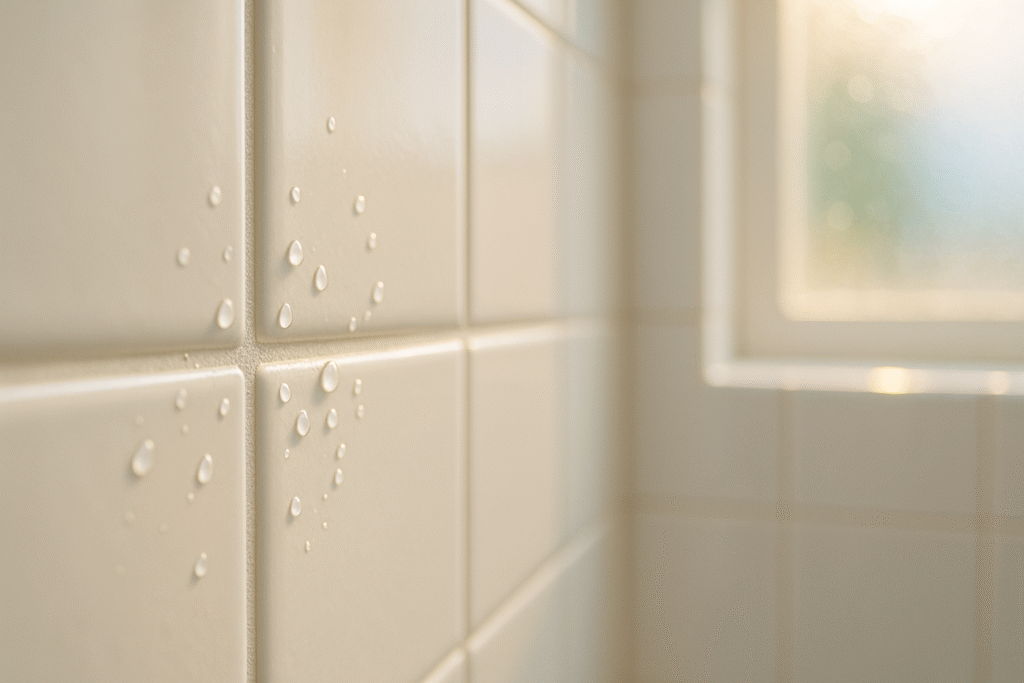
Mold and mildew are the most common — and most damaging — consequences of Tampa’s summer humidity. Grout lines in showers, the undersides of toilet tank lids, window sills, and even the rubber gaskets on front-load washers are all prime real estate for mold growth. The key is early intervention: address any discoloration the moment you spot it rather than waiting for your monthly deep clean.
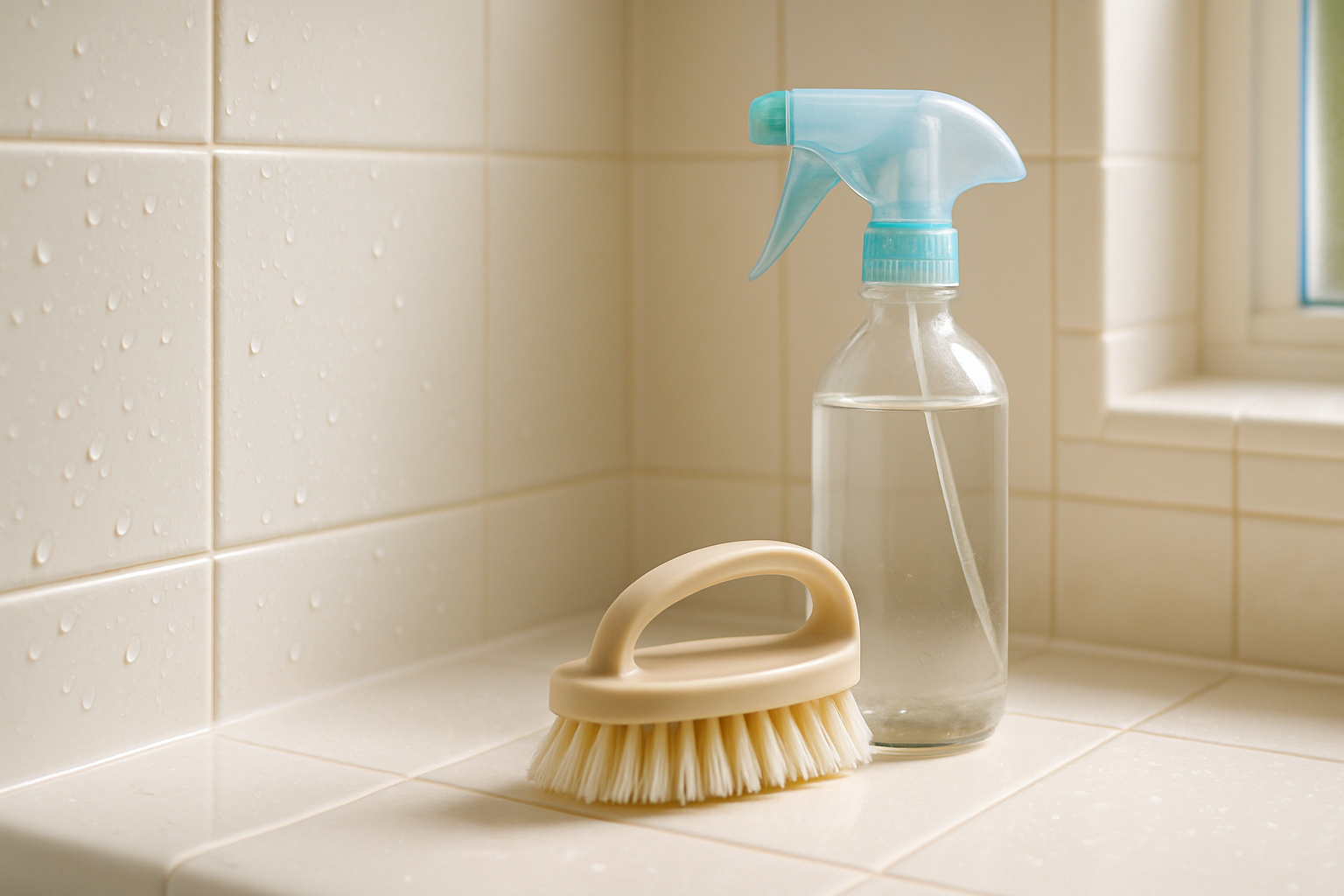
For bathroom tile and grout, a spray made from one part white vinegar and one part water is surprisingly effective on surface mildew. For more stubborn black mold on caulk or grout, a paste of baking soda and hydrogen peroxide left for 15 minutes before scrubbing can lift deep stains without the harsh fumes of bleach-based products. Always wear gloves and ensure ventilation is running. Pay special attention to your lanai or screen porch — the damp, shaded environment of an enclosed porch is a breeding ground for green algae and mold on screens, frames, and concrete or tile floors. A monthly rinse with a garden hose followed by a light scrub with a mild detergent solution keeps things manageable. If mold has already spread significantly, a professional deep cleaning in Tampa may be the fastest way to fully reset affected surfaces.
Common Mold Hotspots
- Shower grout and caulk lines
- Washer door gaskets
- Window sills and tracks
- Lanai screens and frames
- Under-sink cabinet interiors
3. Summer Cleaning Routine for High-Traffic Areas
Florida summers mean more time indoors with the AC cranked — which in Tampa and St. Petersburg households usually translates to heavier foot traffic on hard floors, more meals cooked at home, and kids and pets cycling in and out all day. Hard surface floors need mopping two to three times per week in summer rather than the once-a-week pace that might be fine in cooler months. Use a microfiber mop with a lightly dampened pad; over-wetting hard floors in a humid climate can cause warping and encourages moisture to linger.
Kitchen counters and appliance exteriors should be wiped down daily during summer. The combination of cooking steam and ambient humidity means grease, grime, and bacteria accumulate faster than you’d expect. Don’t forget the refrigerator door gasket — run a damp cloth along those rubber folds weekly to prevent mold from taking hold. For carpeted areas, vacuum at least twice a week with a HEPA-filter vacuum to capture the elevated levels of pollen, dust mites, and mold spores that circulate in summer air. Establishing a regular cleaning schedule in Tampa with a professional service can take the daily grind off your plate and keep these high-traffic zones consistently fresh.
4. Pollen, Pets, and Post-Storm Cleanup
Tampa Bay summers bring more than heat and humidity — they bring afternoon thunderstorms, the tail end of oak pollen season, and the ever-present reality of hurricane preparedness. After a heavy rainstorm, check your window tracks, thresholds, and any exterior doors for water intrusion. Standing water — even just a thin film — inside the home is an immediate mold risk in Florida’s climate and should be dried completely within 24 to 48 hours.
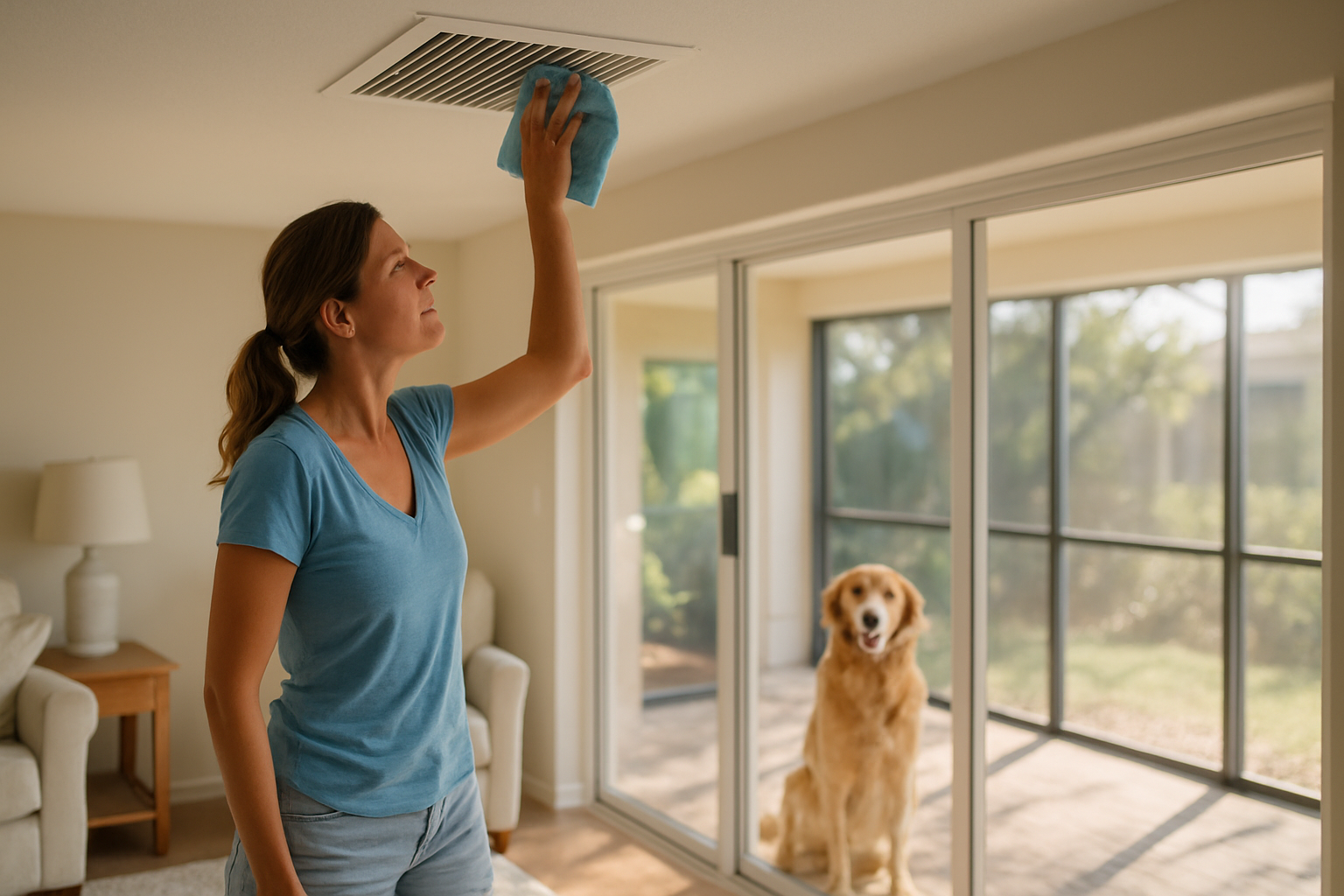
If you have pets, summer amplifies every grooming and dander challenge. Dogs and cats shed more in heat, and dander settles into upholstery, rugs, and AC vents faster than in cooler seasons. Wash pet bedding weekly in hot water, and vacuum upholstered furniture twice a week with an upholstery attachment. Wipe down AC vents with a damp microfiber cloth monthly — vents accumulate dust and pet dander and then blow it right back into your living space. For post-hurricane or post-tropical-storm cleanup that involves moisture intrusion, act fast: open interior doors, run fans, and call a cleaning professional if water has reached carpets or drywall.
5. Lanai and Outdoor Space Maintenance in the Florida Heat
No Tampa home guide would be complete without addressing the lanai — that distinctly Floridian semi-outdoor living space that blurs the line between inside and out. Screen porches and enclosed lanais need dedicated summer maintenance because they sit in the direct path of afternoon rains, pollen drops, and the constant humidity that outdoor shade doesn’t fully relieve. Sweep or blow out debris from the lanai floor at least once a week, and mop the floor bi-weekly with a mild all-purpose cleaner.
Screen panels should be inspected monthly for tears or holes — even small openings let in mosquitoes and allow unchecked moisture to accumulate on the frames. Use a long-handled soft brush and a bucket of soapy water to scrub the screen frames top to bottom, then rinse with a gentle garden hose stream (avoid pressure washers, which can damage fiberglass screen mesh). Outdoor furniture cushions should be stored in a dry space or covered with weather-resistant covers when not in use, and wiped down weekly to prevent mildew from forming on fabric surfaces. Keeping your lanai clean is essentially a weekly ritual in a Tampa summer — but it’s one that pays off enormously in comfort and air quality indoors.
Frequently Asked Questions
How does summer cleaning in Tampa’s humidity differ from cleaning in other climates?
Summer cleaning in Tampa’s humidity requires a mold- and moisture-first mindset that simply isn’t necessary in drier parts of the country. With outdoor humidity regularly exceeding 80% and indoor humidity difficult to keep below 60%, surfaces stay damp longer, bacteria multiply faster, and conventional cleaning schedules that work in arid climates can leave Tampa homes vulnerable to mold, mildew, and persistent odors. Frequency and product choice both need to be adjusted for Florida’s conditions.
How often should I deep clean my Tampa home during summer?
Most Tampa Bay homeowners benefit from a professional deep clean at the start of summer (late May or early June) and again after hurricane season winds down in November. Between those anchor cleans, a professional regular cleaning every two to four weeks keeps mold, dust mites, and pollen from building up to problem levels during the hottest and most humid months.
What’s the best way to keep my lanai clean during Florida’s rainy season?
The most effective lanai maintenance routine during rainy season involves weekly sweeping, bi-weekly mopping with a mild cleaner, and monthly scrubbing of screen frames with soapy water and a soft brush. Inspect screens for tears regularly, since holes allow moisture and pests inside. Prompt drying after heavy rains — using towels or a push mop on hard floors — prevents mold from taking hold on grout and concrete surfaces.
Can high indoor humidity damage my furniture and floors in St. Petersburg and Tampa?
Yes — sustained indoor humidity above 60% can cause hardwood floors to warp or cup, wood furniture joints to swell and weaken, and upholstered pieces to develop musty odors and mold growth within the fabric. In St. Petersburg and Tampa, running your AC consistently, supplementing with a dehumidifier, and keeping humidity between 45–55% is the most reliable way to protect your home’s interior surfaces and furnishings long-term.
Ready to take the stress of summer cleaning off your plate? The team at FG7 Cleaning specializes in helping Tampa Bay homeowners stay ahead of Florida’s toughest seasonal challenges — from humidity-driven mold to post-storm cleanup and everything in between. Contact us today to schedule your summer cleaning service and enjoy a fresher, healthier home all season long.