Post-Hurricane Cleanup Tampa: What to Do in the First 48 Hours After a Storm
When a major hurricane tears through the Tampa Bay area — as Hurricanes Helene and Milton reminded us so powerfully in 2024 — the aftermath can feel just as overwhelming as the storm itself. Post-hurricane cleanup in Tampa requires a clear plan, the right safety precautions, and quick action to prevent secondary damage from mold, mildew, and structural decay. The humidity that defines our Gulf Coast climate means that problems can escalate within hours, not days.
The first 48 hours after a storm passes are the most critical window for protecting your home and your family’s health. From downed debris on your lanai to waterlogged flooring and storm-blown grime coating every surface, the task list is long. This guide walks you through the essential steps every Tampa Bay homeowner should take immediately after the winds die down, so you can recover faster and smarter.
Step 1: Prioritize Safety Before You Touch Anything
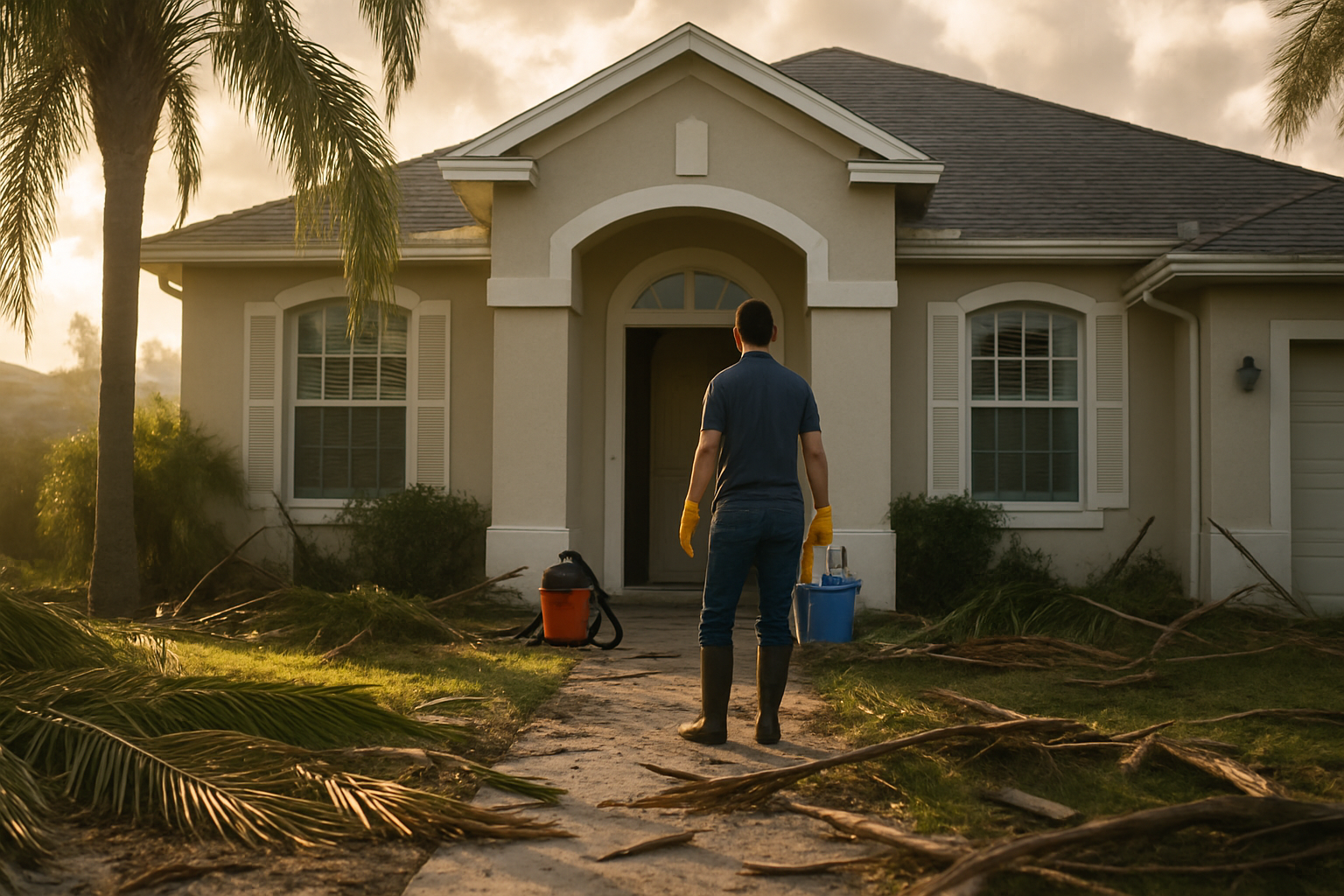
Before any cleaning begins, your first job is a careful safety assessment of the property. Do not re-enter your home until local authorities in Tampa or your municipality have confirmed it is safe to do so. Once cleared, wear heavy-duty rubber gloves, N95 or KN95 masks, waterproof boots, and eye protection — floodwater and storm debris routinely carry bacteria, sewage, and chemical contaminants.
Key Safety Checks
- Gas leaks: If you smell gas, leave immediately and call 911 and Tampa Electric or TECO.
- Electrical hazards: Do not step in standing water if any power source could be live. Call an electrician before restoring power.
- Structural integrity: Look for sagging ceilings, cracked foundations, and compromised roof lines before entering rooms.
- Wildlife: Florida storms displace snakes, spiders, and fire ants — shake out shoes and check corners before reaching in.
Only after completing these checks should you begin photographing and documenting all damage for your insurance claim. Take wide shots and close-ups of every affected area; this documentation is often the difference between a full payout and a disputed claim. In Tampa Bay, most insurance adjusters are overwhelmed in the weeks following a major hurricane, so detailed photos submitted early give you a significant advantage.
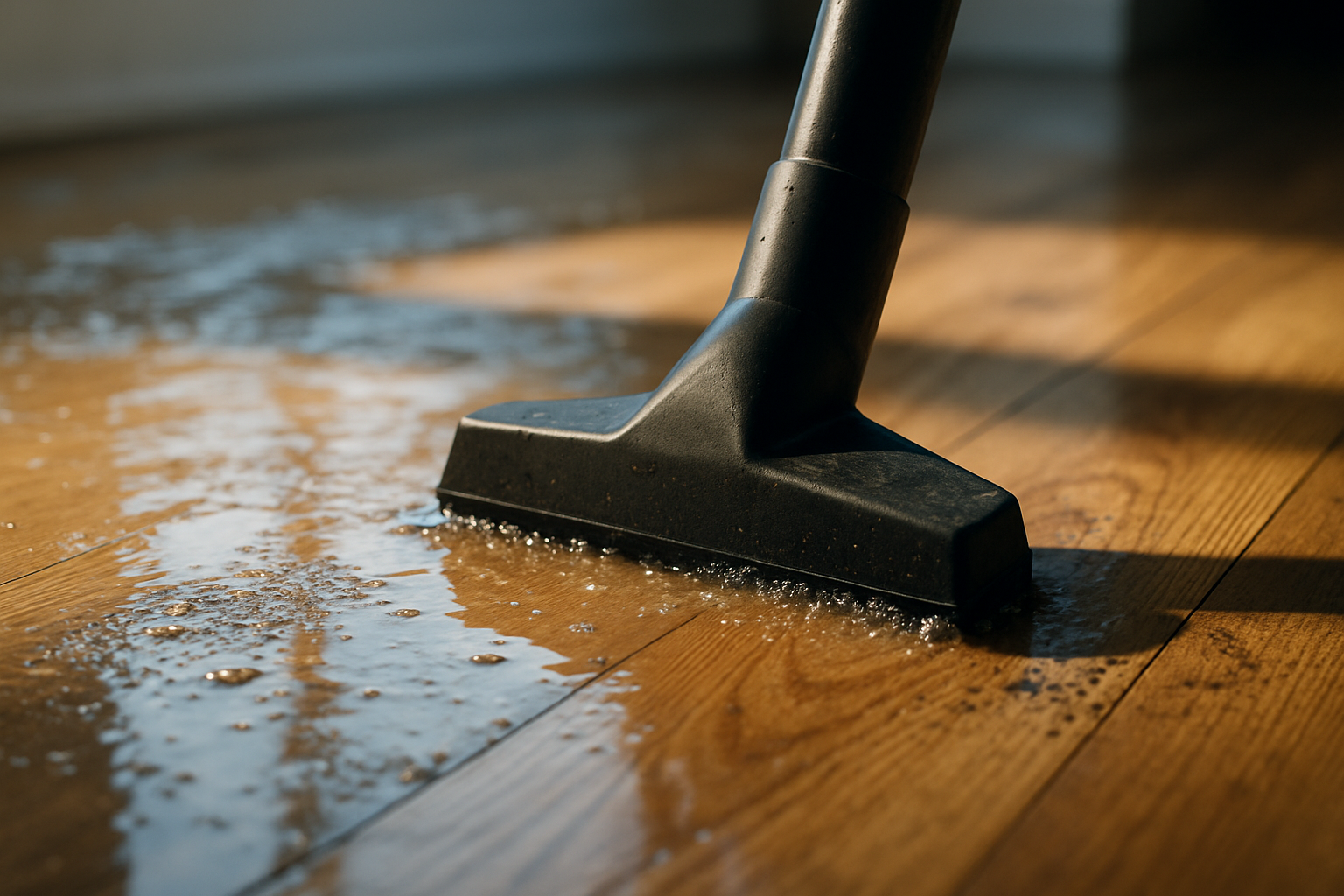
Step 2: Remove Standing Water and Wet Materials Fast
Florida’s average indoor humidity sits well above the national norm, and after a storm it can skyrocket. Mold can begin colonizing porous surfaces like drywall, carpet, and wood framing in as little as 24–48 hours in Tampa’s warm, humid conditions. Speed is everything when it comes to water removal.
Water Removal Priorities
- Use a wet/dry shop vacuum or a submersible pump to extract standing water from floors.
- Tear out and bag saturated carpet, padding, and area rugs — do not allow them to dry in place.
- Remove waterlogged drywall sections to the nearest stud to prevent hidden mold growth.
- Open windows and doors as soon as outdoor humidity drops below indoor levels (typically late evening in Tampa Bay).
- Deploy industrial fans and dehumidifiers on every affected floor simultaneously.
Pay special attention to your lanai or screen enclosure — a fixture in most Tampa-area homes. Screen panels hold debris, leaf matter, and moisture against the frame, and pooled water in the channel track is a perfect mold nursery. Rinse the entire structure with a garden hose and dry the tracks thoroughly. If your lanai suffered screen tears or frame damage, document it for insurance before making repairs. For a deeper clean of interior spaces once water is controlled, our professional deep cleaning service in Tampa is designed to address exactly this kind of post-event situation.
Step 3: Clean and Disinfect All Affected Surfaces
Once water is extracted and materials are removed, thorough disinfection is non-negotiable. Storm floodwater — even from rain rather than surge — picks up contaminants from roads, yards, and drainage systems as it travels through neighborhoods in St. Petersburg, Clearwater, and across the greater Tampa Bay region.
Disinfection Checklist
- Mix one cup of unscented liquid chlorine bleach per gallon of water for hard, non-porous surfaces.
- Apply the solution to tile, concrete, countertops, and hard flooring; let it dwell for 10 minutes before wiping.
- Discard any soft furnishings, mattresses, or upholstered items that absorbed floodwater — they cannot be safely sanitized at home.
- Wipe down walls, baseboards, and cabinet interiors with the bleach solution.
- Sanitize all door handles, light switches, and high-touch surfaces with an EPA-registered disinfectant.
Do not overlook your HVAC system. Storm air carries pollen, mold spores, and particulates — Tampa’s oak and pine pollen can be significant even outside spring season — and your air handler will distribute contaminants throughout the house the moment it powers back on. Replace your air filter before running the system, and consider scheduling a professional duct inspection if any interior flooding occurred.
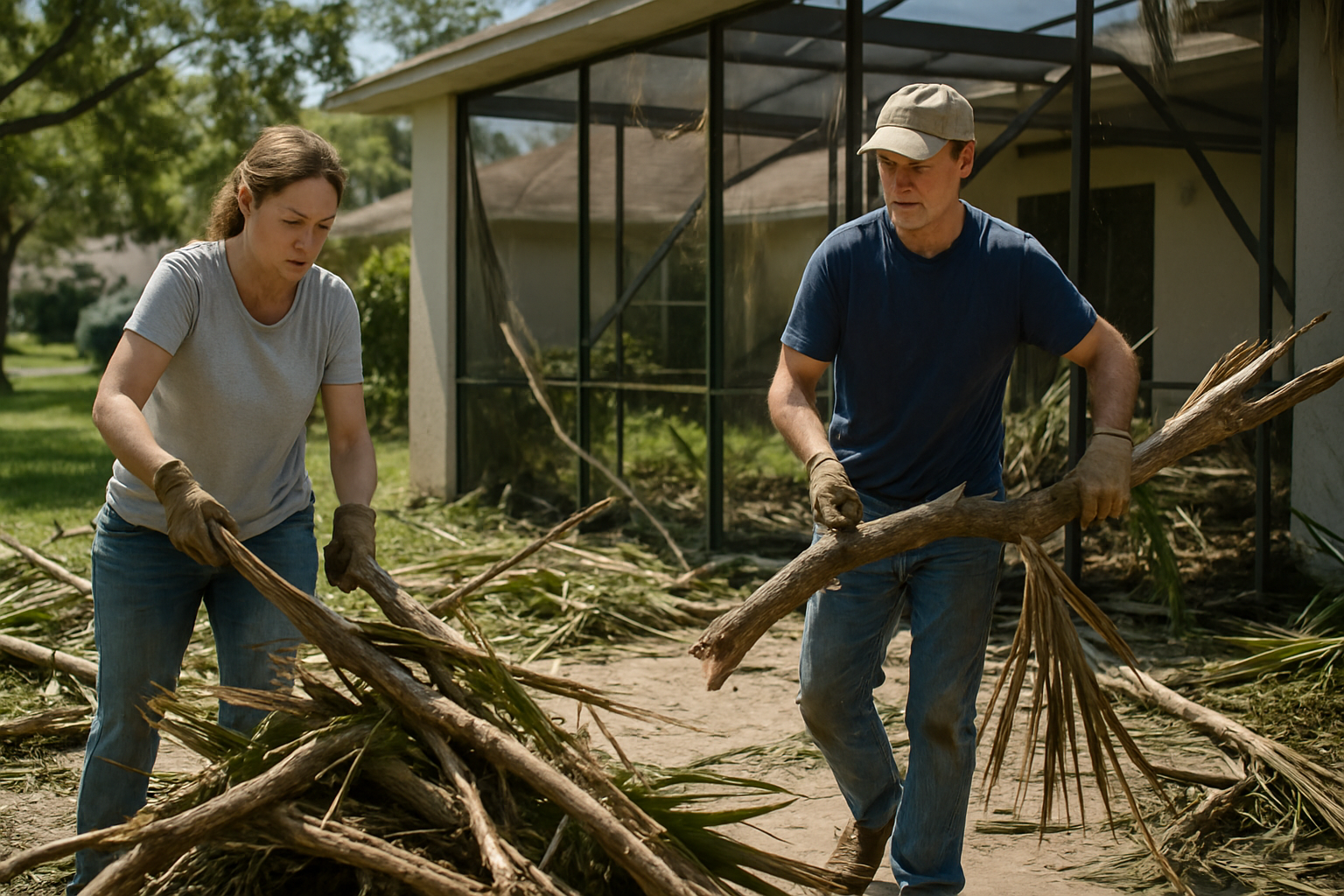
Step 4: Address Exterior Post-Hurricane Cleanup in Tampa
The exterior of your home takes the brunt of a Tampa Bay hurricane, and neglecting it creates long-term structural and aesthetic damage. Begin exterior post-hurricane cleanup in Tampa by clearing debris systematically — working from the roof line downward so dislodged material doesn’t re-contaminate areas you’ve already cleaned.
Exterior Cleanup Order
- Roof and gutters: Clear all leaf litter, branches, and granule buildup from gutters; clogged gutters cause the fascia rot that is rampant in Tampa Bay homes after storm season.
- Driveway and walkways: Power-wash mud, algae, and debris from concrete or paver surfaces.
- Siding and stucco: Rinse from top to bottom with low-pressure water; inspect for impact cracks where water can infiltrate.
- Pool: Skim out debris before running the pump; test and balance chemistry before anyone swims.
- Landscaping: Remove uprooted trees and broken limbs carefully, watching for hanging branches called “widow makers.”
After completing the heavy debris removal, a thorough exterior rinse will reveal any previously hidden damage to paint, caulking, or screen frames. If you have a regular cleaning plan in Tampa with us, contact your FG7 team immediately — we can often fit storm follow-up visits into our priority scheduling during hurricane recovery periods.
Step 5: Monitor for Mold in the Days That Follow
Even after a diligent 48-hour cleanup, the Tampa Bay climate can drive mold growth in hidden areas for weeks. Maintain indoor humidity below 60% using dehumidifiers and air conditioning continuously. Inspect behind appliances, inside closets, and beneath bathroom vanities every few days for the first two weeks post-storm.
Watch for musty odors, visible black or green spotting on walls and ceilings, and any recurrence of soft spots on drywall. If you spot mold covering an area larger than 10 square feet, the EPA recommends professional remediation — this is not a DIY job. In Tampa, several licensed mold remediation contractors specialize in post-hurricane residential work; your homeowner’s insurance policy may cover the cost. Keep all receipts and contractor communications as part of your ongoing claim documentation. Staying proactive in these follow-up days is what separates homes that recover cleanly from those that deal with persistent indoor air quality problems for years after a major storm.
Frequently Asked Questions
When should I start post-hurricane cleanup in Tampa after a storm?
Begin post-hurricane cleanup in Tampa as soon as local authorities confirm it is safe to re-enter your property — typically within 12–24 hours of the storm passing. Every hour of delay increases the risk of mold growth in Florida’s humid climate, so acting quickly is essential to limiting long-term damage.
Is it safe to use tap water in Tampa after a hurricane?
Not necessarily. Tampa Bay Water and local municipal utilities often issue boil-water notices after major storms due to potential contamination of the distribution system. Always check the City of Tampa or Hillsborough County emergency alerts before using tap water for drinking, cooking, or wound cleaning.
How do I prevent mold after hurricane flooding in my Tampa home?
The most effective prevention is rapid water extraction combined with sustained dehumidification — bring indoor relative humidity below 60% within 48 hours of the storm. Remove all saturated porous materials like carpet and drywall, and disinfect hard surfaces with a diluted bleach solution to kill existing spores before they can colonize.
Can FG7 Cleaning help with storm cleanup in the Tampa Bay area?
Yes — FG7 Cleaning offers priority post-storm cleaning services throughout the Tampa Bay area, including St. Petersburg, Clearwater, Brandon, and Riverview. Our teams are trained to handle the deep disinfection, surface restoration, and detailed interior cleaning that homes need after hurricane damage. Contact us to get on our post-storm priority list.
Ready to reclaim your home after the storm? The FG7 Cleaning team is standing by to help Tampa Bay homeowners get back to normal faster and cleaner. Contact FG7 Cleaning today to schedule your post-storm cleanup appointment.