Pet Odor Removal Tampa: How to Get Rid of Pet Smells in Carpets and Upholstery
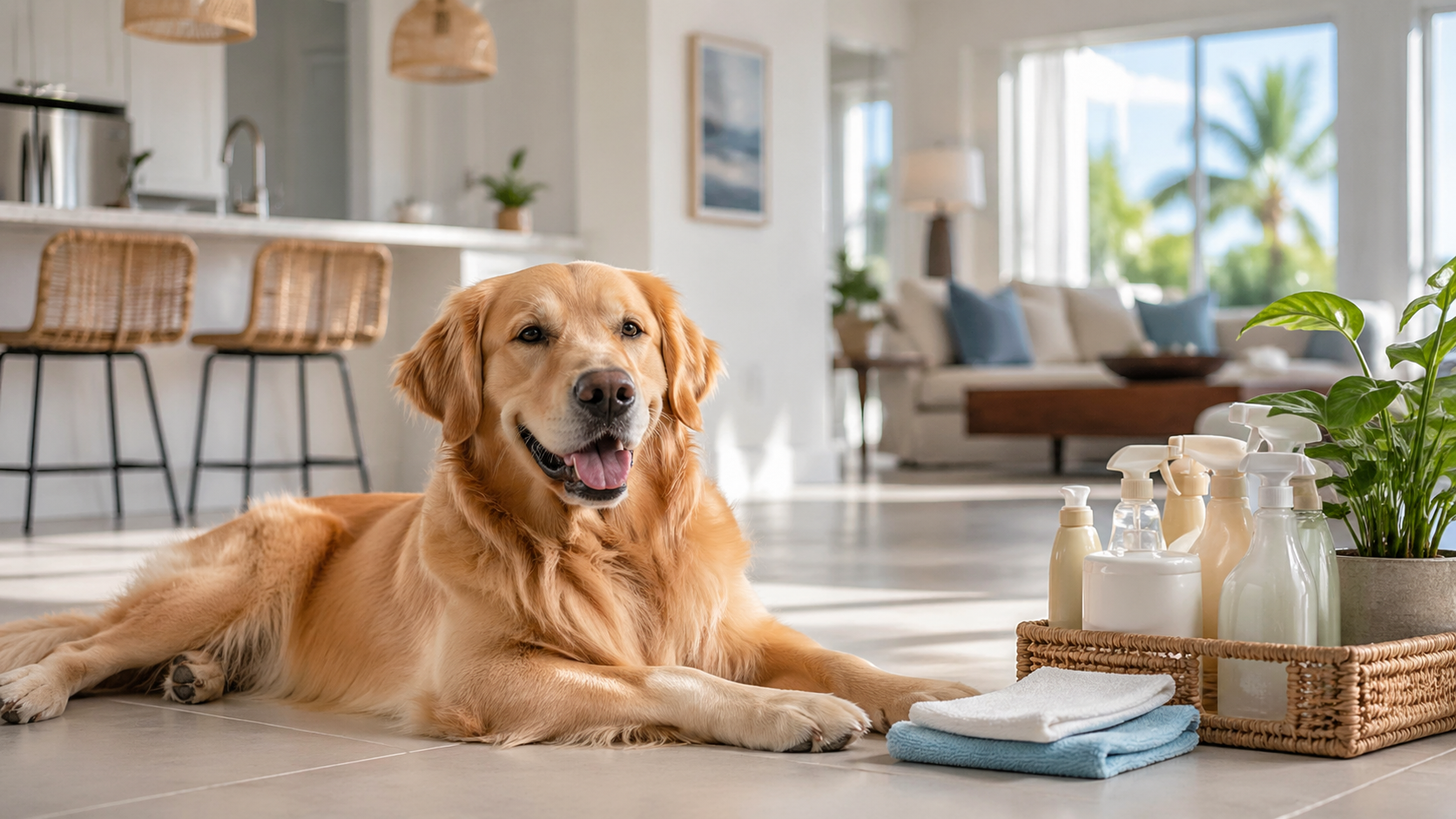
If you share your home with a dog or cat in Tampa Bay, you know the challenge: pet odors that seem to disappear after cleaning, only to return full force the moment the humidity climbs. Pet odor removal in Tampa is genuinely different from what works in drier climates. Our subtropical humidity amplifies odor molecules, keeps urine salts active longer in carpet fibers, and creates the warm, moist conditions that odor-causing bacteria love. The result is a cycle that feels impossible to break with store-bought sprays alone.
This guide covers everything Tampa homeowners need to know about eliminating pet odors from carpets and upholstery — not just masking them. Whether you’re dealing with a puppy accident, years of embedded cat dander, or the musty aftermath of a rainy summer, these strategies are designed specifically for Florida’s climate. We’ll walk through what works at home, when it’s time to call a professional, and how to keep odors from returning in Tampa’s year-round warmth.
Why Pet Odors Are Worse in Tampa’s Humid Climate
Humidity doesn’t just make your home feel warmer — it actively fuels pet odors. Urine contains uric acid crystals that, once dry, remain dormant until they absorb moisture. In Tampa Bay, where indoor relative humidity can stay above 60% even with air conditioning, those crystals never fully stop reactivating. Every humid afternoon pulls moisture through carpet fibers and reawakens the odor compounds embedded in the padding below.
Bacteria are the other factor. Pet accidents introduce bacteria that break down organic material and release sulfur compounds — the source of that distinctive, unpleasant smell. These bacteria thrive in warm, humid environments, which means Tampa homes provide near-perfect conditions for them year-round. A spot that smells faint on a cool January morning may smell overwhelming on a July afternoon when humidity reaches 85%.
Florida’s pollen seasons also compound the problem. Pet fur acts as a trap for airborne allergens and fine particulates, which then transfer to carpets and upholstery, contributing to that layered, stale odor that’s hard to identify but impossible to ignore. Understanding this climate dynamic is the first step toward a solution that actually lasts in Tampa.
Step-by-Step: Removing Pet Odors from Tampa Carpets
For fresh accidents, speed is everything. Blot — never rub — the affected area with clean white cloths to absorb as much liquid as possible before it penetrates the backing. Press firmly and work from the outside of the stain inward to avoid spreading. Once you’ve removed as much liquid as you can, apply a proper enzymatic cleaner rather than a standard carpet spray.
Why Enzymatic Cleaners Are Essential in Florida
Standard cleaners use surfactants to lift surface stains, but they don’t address the uric acid crystals or bacteria embedded in the padding. Enzymatic cleaners contain biological compounds that actually break down the odor-causing molecules at the chemical level. In Tampa’s humidity, this matters enormously — without breaking down the uric acid, the odor will return every time humidity rises. Apply the enzymatic cleaner generously, cover with a damp cloth, and allow it to work for 10–15 minutes before blotting dry.
Dealing with Set-In or Repeat Spots
Older stains require more aggressive treatment. Use a moisture meter (available at hardware stores) to confirm the extent of penetration — in Tampa homes, urine frequently soaks through the carpet into the padding and even the subfloor beneath. When padding is saturated, surface cleaning alone will never fully eliminate the odor. The padding section may need to be cut out and replaced, and the subfloor treated with an antimicrobial sealant before new padding and carpet are reinstalled.
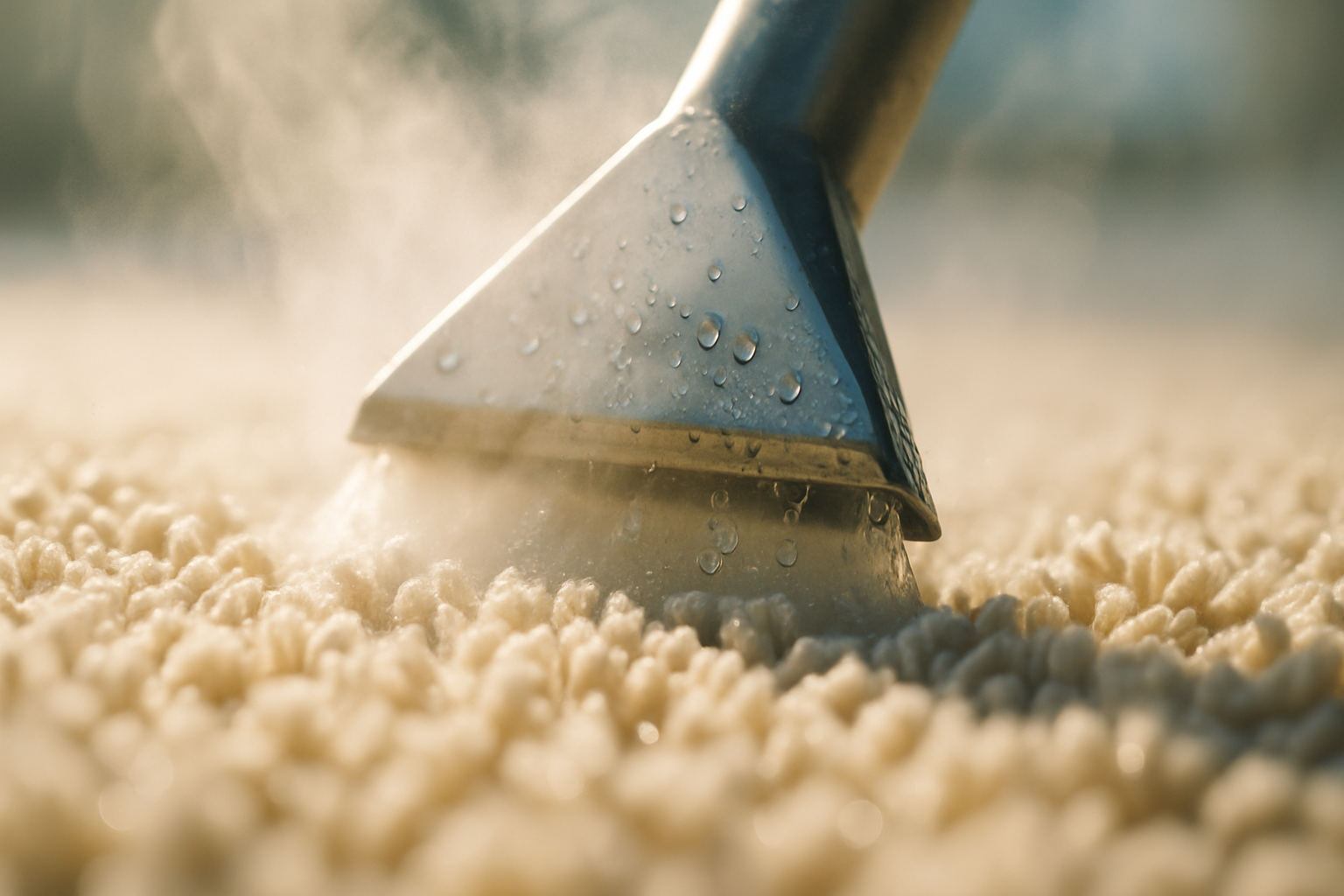
For large areas or recurring spots, a professional hot-water extraction treatment combined with an enzyme pre-spray delivers the most thorough results. Our deep cleaning service in Tampa includes enzyme pre-treatment for pet-affected areas as part of a full carpet restoration protocol.
Professional Pet Odor Treatment: What the Pros Do Differently
Professional pet odor elimination goes far beyond what any rental machine or retail product can achieve in a Tampa home. The key difference is equipment power. Truck-mounted hot-water extraction systems generate water temperatures of 200°F or higher and suction pressures that portable units simply can’t match. That combination penetrates deep into carpet fibers and padding, lifts the organic material causing the odor, and removes it entirely rather than redistributing it.
Professional services in Tampa Bay also have access to commercial-grade enzyme treatments and oxidizing agents that aren’t sold in retail stores. These products work at a molecular level, permanently neutralizing uric acid crystals rather than temporarily suppressing them. After treatment, some technicians apply a deodorizing primer to the subfloor in severe cases — an extra layer of protection that’s particularly valuable in our humid climate.
Beyond chemistry, professionals bring black lights to identify every affected area, including spots the naked eye misses. In Tampa homes where a pet has used the same general area repeatedly, UV inspection often reveals a much larger affected zone than the owner realized. Treating the full area rather than just the visible spots is what produces lasting results. A well-executed professional treatment should eliminate odors for good — not just for a week.
Tackling Pet Odors in Upholstery: Sofas, Chairs, and Cushions
Upholstery presents its own challenges for Tampa pet owners. Fabric sofas and armchairs absorb pet dander, saliva, and body oils continuously, and the dense cushion foam holds moisture and organic material in ways that surface cleaning can’t reach. In Florida’s humidity, damp upholstery that isn’t dried thoroughly can begin growing mildew within 24 to 48 hours — adding a second layer of odor on top of the original pet smell.
At-Home Upholstery Odor Treatment
Start by identifying the fabric code on the tag under your cushions. “W” means water-safe, “S” means solvent-only, and “WS” means both are acceptable. For W and WS fabrics, a diluted white vinegar solution (one part vinegar, two parts water) applied with a soft brush can neutralize surface odors effectively. Follow with a light application of baking soda, allow it to sit for 20–30 minutes, and vacuum thoroughly. Never saturate upholstery in Tampa’s humid conditions — always err on the side of less moisture and longer drying time.
Removable cushion covers should be washed according to their care labels, and cushion inserts should be stood upright in a well-ventilated area — ideally in front of a fan — until completely dry. Running a portable dehumidifier in the room speeds the process significantly during Tampa’s summer months. For outdoor lanai cushions exposed to pet activity, use a dedicated outdoor fabric cleaner and allow them to dry fully in direct sunlight.

Preventing Pet Odors from Returning in Tampa Homes
Elimination is only half the work. Keeping odors from returning in Tampa Bay‘s climate requires consistent habits that account for our year-round humidity. The single most effective prevention tool is humidity control: keeping indoor humidity below 55% removes the moisture that reactivates uric acid crystals and feeds odor-causing bacteria. A properly sized HVAC system combined with a whole-home or room dehumidifier accomplishes this even during August’s most humid stretches.
Regular vacuuming with a HEPA-filter machine removes pet hair and dander before they accumulate in carpet fibers. Aim for at least twice a week in pet households, increasing to daily in high-traffic areas. Place washable rugs at all exterior doors and lanai entrances — these trap dirt and moisture before it reaches your carpets and should be washed weekly.
For upholstery, rotating cushions regularly distributes wear and exposure, and keeping pets off soft furniture (or using washable slipcovers) dramatically reduces odor accumulation. Schedule professional recurring cleaning in Tampa every four to six months — more frequently for multi-pet households — to reset your carpets and upholstery before odors become embedded. Prevention in Tampa requires consistency, but the difference between a home that smells fresh and one that doesn’t usually comes down to a few steady habits applied over time.
Frequently Asked Questions
Does pet odor removal in Tampa require professional treatment every time?
For fresh, minor accidents caught immediately, a quality enzymatic cleaner applied correctly at home can be effective. However, for older stains, large affected areas, or odors that keep returning despite home treatment, professional hot-water extraction with enzyme pre-spray is the only method that consistently delivers lasting results in Tampa‘s humid climate.
Why does my Tampa carpet still smell after I cleaned the pet accident?
The odor is almost certainly coming from the padding beneath the carpet, not the surface fibers. In Florida’s humidity, urine penetrates quickly and the uric acid crystals in the padding reactivate with every rise in humidity. Surface cleaning cannot reach this depth — you need professional extraction or, in severe cases, padding replacement.
How do I get pet odors out of upholstery without soaking it?
Use the minimum moisture necessary: a lightly dampened cloth or fine mist spray rather than saturating the fabric. Apply an enzymatic cleaner or diluted vinegar solution, allow it to dwell for 10–15 minutes, then blot dry and follow with a fan or dehumidifier. In Tampa Bay, over-wetting upholstery is a mildew risk — dry thoroughly before replacing cushions or closing off the room.
How often should Tampa pet owners schedule professional carpet cleaning?
Most flooring professionals recommend professional cleaning every four to six months for pet households in Tampa — twice as frequently as the national average. Homes with multiple pets, older animals prone to accidents, or allergy-sensitive residents should lean toward every three to four months, particularly heading into Florida’s high-humidity summer season.
Pet odors don’t have to be a permanent part of life in your Tampa home. With the right approach — combining prompt treatment, proper products, and climate-smart prevention habits — your carpets and upholstery can stay genuinely fresh year-round. FG7 Cleaning serves pet owners across Tampa, St. Petersburg, Clearwater, Brandon, and Riverview with professional pet odor elimination designed for Florida’s climate. Contact us today to schedule your appointment and breathe easier tomorrow.