
Apartment Move-Out Checklist for Tampa Renters: Get Your Full Deposit Back
Moving out of a rental in Tampa Bay is exciting — but it can also be stressful if you’re not prepared. Every year, Tampa renters lose hundreds of dollars in security deposit deductions for cleaning issues that are entirely preventable. Having a solid apartment move-out Tampa checklist in hand before you hand over the keys is the single best thing you can do to protect your money. Whether you’re leaving a high-rise in downtown Tampa or a garden apartment in Brandon, this guide walks you through exactly what landlords inspect.
Florida’s climate adds a layer of complexity that renters in colder states simply don’t deal with. High humidity encourages mold and mildew growth inside bathrooms, under sinks, and around window seals. Pollen season hits hard across the Tampa Bay area, coating screens and lanais with a fine yellow film. And if your lease runs through hurricane season, you may be dealing with water intrusion stains you didn’t even notice accumulating. Tackle these regional challenges head-on with the room-by-room breakdown below, and you’ll walk away with your full deposit in hand.
Kitchen: The Room Landlords Scrutinize Most
The kitchen is almost always the first place a landlord or property manager looks during a move-out inspection — and it’s easy to see why. Grease, food residue, and hard-water deposits build up quickly, especially in Florida’s humid environment where condensation is constant. A surface-level wipe-down simply won’t cut it.
Inside Appliances
- Refrigerator: Remove all drawers and shelves, wash with warm soapy water, and dry thoroughly to prevent mildew.
- Oven & Stovetop: Use a degreaser on burner grates, drip pans, and the oven interior. Don’t forget the broiler drawer.
- Dishwasher: Wipe the door gasket and run an empty cycle with a dishwasher cleaner tablet.
- Microwave: Clean the turntable plate and wipe down all interior walls.
Surfaces & Cabinets
- Degrease cabinet fronts, handles, and the backsplash.
- Wipe down countertops with a disinfectant, paying attention to grout lines.
- Clean the range hood filter — this is a common landlord deduction.
- Sweep and mop the floor, including under the refrigerator.
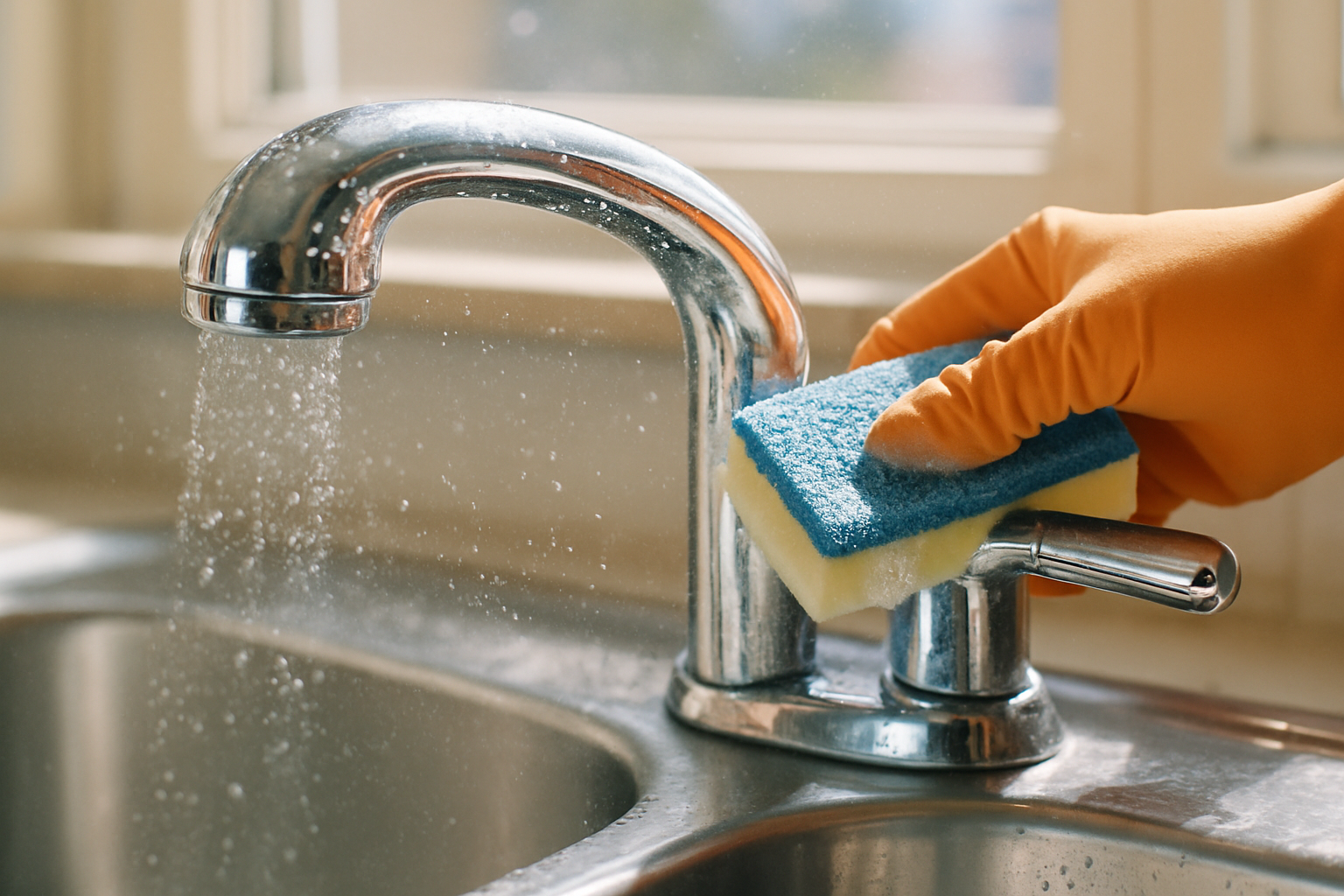
Tampa’s hard water leaves mineral deposits on faucets and sinks. Use a descaling product or white vinegar solution to dissolve calcium buildup before your inspection. If the task feels overwhelming, a professional deep cleaning in Tampa can handle every detail efficiently.
Bathrooms: Mold, Mildew, and Hard-Water Stains
Florida humidity makes bathrooms the most mold-prone room in any Tampa apartment. Even with regular ventilation, grout lines, caulk seams, and the underside of the toilet tank can harbor mold and mildew that accumulates invisibly over months. Landlords know exactly where to look, and inspectors will shine a flashlight into every corner.
Toilet
- Scrub the bowl, under the rim, the seat (top and bottom), the tank lid, and the base — where grime builds up unnoticed.
- Check for any rust or mineral ring inside the bowl; use a pumice stone if needed.
Shower & Tub
- Remove and clean the drain cover; pull out any hair buildup.
- Scrub grout with a stiff brush and a bleach-based cleaner to eliminate mold and mildew staining.
- Recaulk any cracked or discolored caulk around the tub — a small tube costs a few dollars and can prevent a larger deduction.
Vanity & Mirrors
- Wipe down cabinet interiors, then clean mirror surfaces streak-free.
- Descale the faucet aerator and polish chrome fixtures.
If mold has penetrated grout more than surface-deep, disclose it honestly to your landlord and document with photos. This protects you from being charged for pre-existing damage. For a spotless finish, consider scheduling regular cleaning in Tampa well before your move-out date so deep stains don’t compound.
Bedrooms & Living Areas: Walls, Floors, and Fixtures
Bedrooms and living areas may look straightforward, but small details — scuff marks on baseboards, dusty ceiling fans, or nail holes left unfilled — are all common deposit deductions. St. Petersburg and Tampa landlords often note these items even when they appear minor.
Walls & Baseboards
- Patch small nail holes with spackling paste and a putty knife, then touch up with matching paint if permitted by your lease.
- Wipe down baseboards with a damp cloth; use a magic eraser on scuff marks.
- Clean light switch plates and outlet covers — these are easily overlooked.
Floors
- Carpet: Vacuum thoroughly, then rent a steam cleaner or hire a professional for deep stains.
- Hardwood or LVP: Sweep, then mop with a floor-appropriate cleaner. Avoid excess water on wood.
- Tile: Mop grout lines; Tampa Bay’s high humidity can leave soap residue that dulls tile over time.
Ceiling Fans & Light Fixtures
- Wipe fan blades (they collect dust fast in Florida’s AC-heavy climate).
- Remove and wash light fixture covers; replace any burned-out bulbs.
Don’t forget window interiors — wipe sills and tracks, where bugs and Tampa pollen accumulate in the grooves throughout the year.
Lanai, Balcony & Screens: Florida’s Unique Challenge
If your Tampa apartment has a lanai, screened balcony, or patio, pay special attention during your apartment move-out Tampa inspection — these spaces are frequently cited in Florida lease disputes. Pollen, insect debris, and weathering from afternoon storms leave these areas significantly dirtier than the rest of the unit.
Screens
- Brush screens gently with a soft-bristle brush, then rinse with a low-pressure garden hose.
- Inspect for tears or holes — note any pre-existing damage with dated photographs.
Floor & Furniture
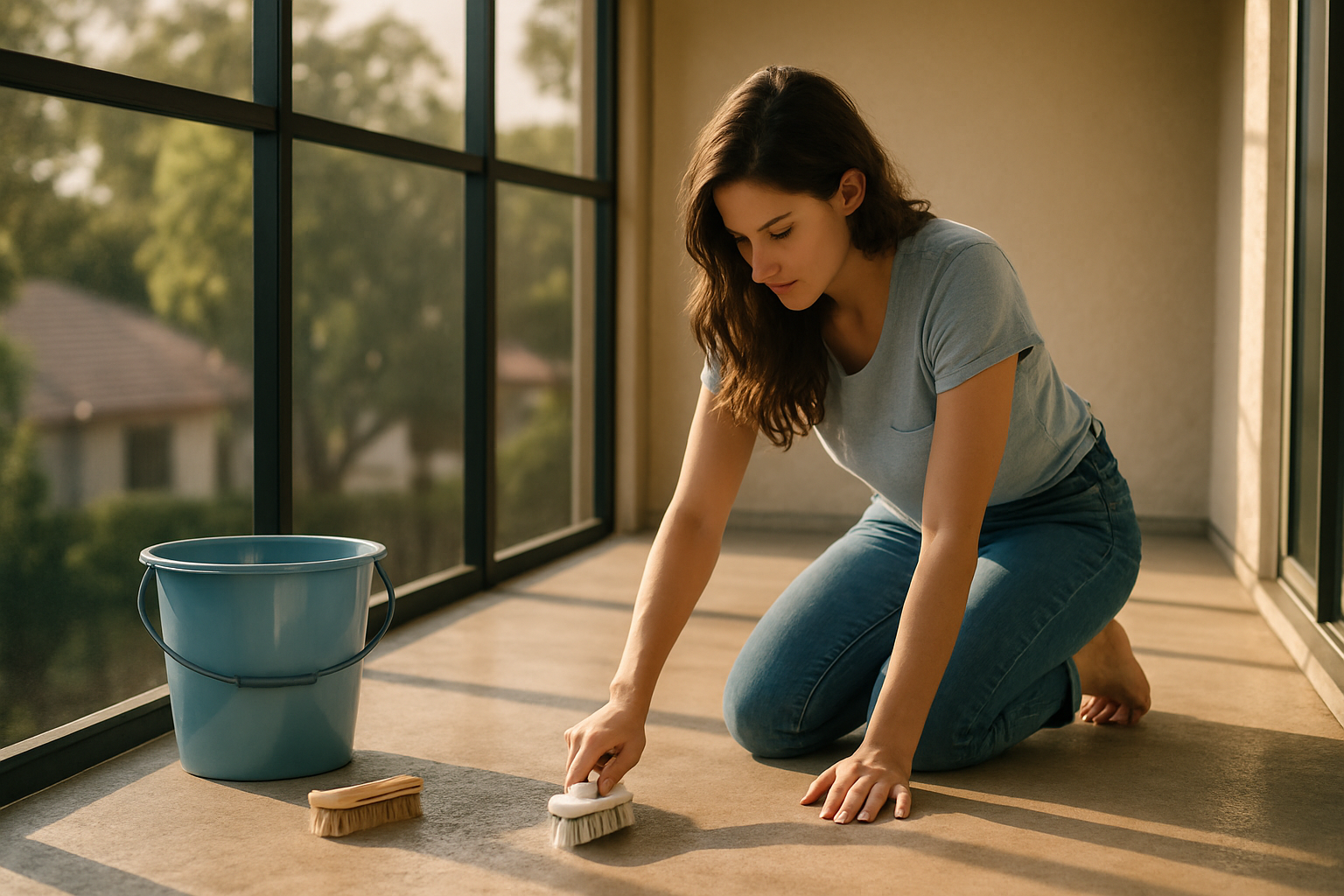
- Sweep and scrub the lanai floor, removing any algae or mildew that grows in Tampa’s year-round humidity.
- Remove all personal items, furniture, and potted plants; sweep out debris from corners.
Sliding Doors
- Clean glass panels on both sides.
- Vacuum the door track — these collect dirt, dead bugs, and pollen rapidly.
- Test the locking mechanism to confirm it operates correctly.
Many Tampa Bay renters are surprised to find that a dirty or damaged lanai results in the largest single line item on their deduction statement. Document everything before and after cleaning with timestamped photos.
Final Walk-Through: Don’t Leave Without Doing This
Once every room is cleaned, perform a systematic final walk-through before your scheduled inspection. This is your last chance to catch anything missed and to create a paper trail protecting your deposit. Bring a printed move-in checklist if you have one and compare it room by room.
Final Walk-Through Checklist
- Test every light switch, outlet, ceiling fan, and appliance.
- Run water in every sink, tub, and shower to confirm drainage and no leaks.
- Check all cabinet doors, drawers, and closet doors open and close properly.
- Confirm all personal belongings — including items in storage closets or on the lanai — have been removed.
- Photograph every room in natural light, including inside appliances and closets.
- Return all keys, fobs, garage remotes, and mailbox keys.
In Tampa Bay, landlords are required by Florida law (§83.49) to send an itemized deduction list within 30 days of your move-out. Thorough documentation is your strongest defense if any dispute arises. If you want peace of mind, booking a professional move-out clean ensures nothing slips through the cracks.
Frequently Asked Questions
What does an apartment move-out Tampa cleaning inspection typically check?
A Tampa landlord’s move-out inspection covers every room systematically — appliances, bathrooms, floors, walls, windows, and outdoor spaces like lanais. They compare the unit’s current condition against the move-in inspection report. Any cleaning deficiency beyond normal wear and tear can result in a deposit deduction.
How long before my move-out date should I start cleaning?
Start deep-cleaning tasks at least two weeks before your move-out date. This gives you time to address issues like mold remediation, carpet cleaning, or minor wall repairs that may require drying time. Leaving everything to the last day is the most common reason Tampa renters lose deposit money.
Can I hire a professional cleaning service for a move-out clean in Tampa?
Absolutely — and it’s often worth the investment. A professional move-out cleaning in Tampa ensures every surface meets landlord standards, and many cleaning companies provide a satisfaction guarantee. The cost of a professional clean is almost always less than the deposit deductions you’d face otherwise.
Does Florida law limit what landlords can charge for cleaning?
Under Florida Statute §83.49, landlords can only charge for cleaning costs that exceed normal wear and tear. They must provide an itemized written notice within 30 days of your vacating the unit. Keeping your own photos and receipts from any professional cleaning service is the best protection against unfair charges.
Ready to get your full deposit back? Let FG7 Cleaning handle the hard work for you. Our Tampa Bay move-out cleaning team knows exactly what local landlords inspect — and we’ll leave your apartment spotless from kitchen to lanai. Book your move-out clean today at FG7 Cleaning.