Bathroom Deep Cleaning in Humid Florida: A Step-by-Step Guide for bathroom cleaning Tampa humid Conditions
If you live in Tampa Bay, you already know that the combination of high heat and relentless humidity turns your bathroom into a breeding ground for mold, mildew, and soap scum — often within days of your last scrub. Bathroom cleaning in Tampa’s humid climate demands a more strategic approach than what most standard cleaning guides recommend. Understanding the specific challenges of Florida’s subtropical environment is the first step toward keeping your bathroom truly clean and hygienic year-round. Whether your home is in Tampa, St. Petersburg, or a nearby suburb, these conditions affect everyone equally.
This step-by-step guide is designed specifically for Florida homeowners who are tired of watching grout darken and caulk turn pink no matter how often they clean. We’ll walk you through every surface, every tool, and every product choice that makes a real difference in high-humidity bathrooms. From ventilation strategies to mold-resistant sealers, you’ll leave with a practical action plan you can start today. And if the job ever feels too big to tackle alone, FG7 Cleaning is here to help Tampa Bay households stay spotless.
Why Humid Florida Bathrooms Need a Different Cleaning Strategy
Florida’s average indoor humidity regularly climbs above 60 percent, and in bathrooms that number can spike to 80 percent or higher after a shower. At those levels, Stachybotrys and other mold species can colonize a grout line in as little as 24 to 48 hours. Standard weekly wiping simply cannot keep pace with that growth rate. Homes in Tampa, St. Petersburg, and Clearwater also deal with hard water from the municipal supply, which leaves mineral deposits on fixtures that act as scaffolding for soap scum and bacteria. The result is a compounding problem: moisture feeds mold, hard water feeds soap scum, and together they degrade both the appearance and the air quality of your bathroom. Recognizing this dynamic is why a true deep-clean protocol — not just a surface wipe — is essential at least once a month. For a comprehensive look at what professional deep cleaning covers throughout your entire home, visit our deep cleaning Tampa service page to see how we approach each room systematically.
Step One — Ventilation and Preparation for Effective Bathroom Cleaning in Tampa Humid Weather
Before you open a single bottle of cleaner, set up ventilation. In Tampa’s climate, cleaning products — especially bleach-based ones — release fumes that concentrate dangerously in a sealed, humid space. Open the window if you have one, turn on the exhaust fan, and if neither option is available, point a box fan toward the door to pull air out. Next, remove everything from the bathroom: towels, rugs, toiletry bottles, and any décor. Shake out rugs outside and launder them if possible — fabric items trap humidity and contribute to the moisture problem. Soak removable drain covers and showerhead fixtures in a bowl of white vinegar while you work on the surfaces. Fill a bucket with warm water and have your cleaning supplies staged outside the room. This preparation step typically takes ten minutes but saves you from cross-contaminating clean surfaces with dirty tools and dramatically improves the effectiveness of every step that follows. A clean slate is a non-negotiable starting point for high-humidity bathrooms.
Step Two — Tackling Grout, Mold, and Mildew on Tile Surfaces
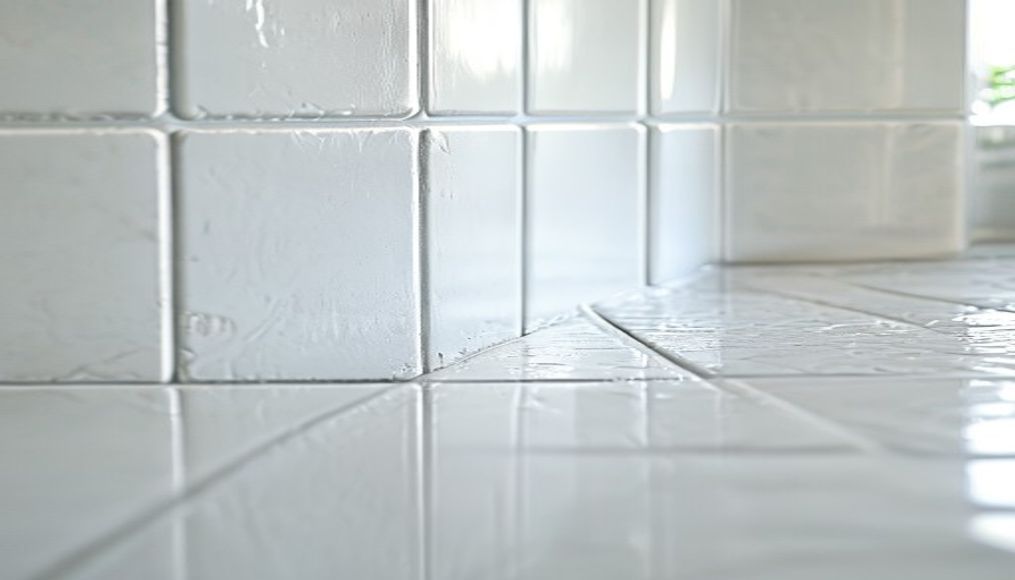
Grout is the single most challenging surface in a Florida bathroom. Its porous texture absorbs moisture and pigment from mold colonies, turning white lines gray, green, or even black over time. Start by applying a paste of baking soda and hydrogen peroxide directly onto grout lines and letting it sit for 10 to 15 minutes. Use a stiff-bristled grout brush — not a toothbrush, which lacks the torque needed for deep penetration — and scrub in short, firm strokes perpendicular to the grout line. For stubborn black mold, a diluted bleach solution (one part bleach to ten parts water) applied with a spray bottle and left for five minutes before scrubbing is more effective. Rinse thoroughly and dry immediately with a microfiber cloth; leaving tile wet accelerates re-contamination. Once grout is clean and fully dry, apply a penetrating grout sealer. In Tampa Bay’s humidity, plan to reseal grout every six months rather than the standard annual recommendation. This single habit will reduce your cleaning time significantly going forward.
Step Three — Deep Cleaning Fixtures, Glass, and Hard Water Deposits in Tampa Homes
Hard water deposits on faucets, showerheads, and glass enclosures are a near-universal complaint in Tampa homes. White vinegar is your best friend here: soak paper towels in undiluted white vinegar and wrap them around faucet bases and showerhead necks for 20 to 30 minutes before wiping clean. For glass shower doors, a paste of cream of tartar and white vinegar cuts through calcium buildup without scratching. Buff with a dry microfiber cloth in circular motions and finish with a streak-free glass spray. Clean the toilet methodically from the tank lid down to the base, using a disinfectant spray rated to kill mold spores as well as bacteria — the label should list an EPA registration number. Don’t forget the underside of the toilet rim; this area stays perpetually damp and is one of the most common hidden mold locations in Florida bathrooms. Wipe all surfaces dry after cleaning, because in Tampa Bay’s ambient humidity, surfaces that remain wet will attract new contamination within hours. Consistent maintenance visits, like those offered through our regular cleaning Tampa service, can keep these deposits from ever building up again.
Step Four — Caulk Inspection, Exhaust Fan Cleaning, and Long-Term Mold Prevention
Caulk lines around the tub, shower base, and sink are the last frontier of a proper Florida bathroom deep clean. Pink or black discoloration in caulk means mold has penetrated below the surface and cannot be removed with scrubbing alone — the caulk must be removed and replaced. Use a caulk removal tool or utility knife to cut away the old bead, clean the joint with rubbing alcohol, allow it to dry completely for at least an hour, and apply a mold-resistant silicone caulk rated for bathroom use. Next, address the exhaust fan. In St. Petersburg and Tampa homes, fans accumulate a thick layer of humid, dusty buildup on the cover grilles and fan blades that reduces airflow by up to 50 percent — the opposite of what you need. Remove the cover, wash it with dish soap, and use compressed air or a soft brush to clean the fan blades. Restore full airflow by running the fan during every shower and for at least 30 minutes afterward. Consider adding a humidity-activated fan switch for hands-free humidity control. These long-term measures reduce the frequency of heavy deep-cleaning sessions dramatically and protect your home’s surfaces and air quality for years to come.
Frequently Asked Questions
How often should I deep clean my bathroom given Tampa Bay’s humidity?
In Tampa Bay’s subtropical climate, a thorough deep clean every three to four weeks is more realistic than the once-a-month or once-a-quarter schedule recommended in drier climates. High humidity accelerates mold and mildew growth, so staying ahead of the cycle with frequent deep cleans prevents the buildup from ever becoming a major remediation project. Pair deep cleans with a quick weekly wipe-down of high-moisture surfaces to stay on top of it between sessions.
What products work best for bathroom cleaning in Tampa’s humid conditions?
For bathroom cleaning in Tampa’s humid environment, prioritize products with proven antifungal and antibacterial action: diluted bleach for mold on non-porous surfaces, hydrogen peroxide for grout, and white vinegar for mineral deposits. Avoid leaving ammonia-based cleaners on surfaces for extended periods in poorly ventilated spaces, as the fumes intensify in high-humidity conditions. Look for EPA-registered disinfectants that specifically list mold and mildew on the label.
Is pink mold in my shower dangerous, and how do I remove it?
Pink mold is typically a bacterium called Serratia marcescens rather than true mold, but it thrives in Florida’s warm, humid bathrooms and can cause respiratory irritation and infections in people with weakened immune systems. Remove it by scrubbing affected areas with a bleach-and-water solution, rinsing thoroughly, and drying the surface completely. Prevent recurrence by drying shower walls with a squeegee after each use and running the exhaust fan for at least 30 minutes post-shower.
Can I prevent grout from discoloring between deep cleans?
Yes — applying a penetrating grout sealer after every deep clean is the single most effective preventive step, especially in Tampa Bay homes where grout faces near-constant moisture exposure. In between cleans, spray grout lines with a daily shower spray product that inhibits mold and soap-scum adhesion. Keeping the bathroom well-ventilated and wiping down tile walls with a dry cloth after showers also significantly slows re-discoloration.
Ready to stop fighting your bathroom’s humidity and let a professional team handle it? FG7 Cleaning specializes in deep and regular cleaning for homeowners throughout Tampa, St. Petersburg, and the greater Tampa Bay area. Contact us today to schedule your bathroom deep clean and experience what a truly clean, mold-free bathroom feels like — no scrubbing required on your end.