Hurricane Season Cleaning Tampa: May Priorities to Protect Your Home
Hurricane season cleaning in Tampa Bay isn’t just a chore — it’s a critical step in protecting one of your biggest investments. Every June 1st, Florida’s Atlantic hurricane season officially begins, and with it comes the reminder that preparation in May is far less stressful — and far less expensive — than scrambling after the first tropical alert. Tampa homeowners who take action now gain the upper hand before storms, humidity, and relentless summer pollen make everything harder.
May is the golden window: school is winding down, temperatures are still manageable in the mornings, and hardware stores haven’t yet been picked clean of supplies. A focused cleaning and inspection routine this month keeps your home safer, healthier, and better positioned for whatever the Atlantic throws at the Gulf Coast this season. This guide walks you through exactly where to direct your energy before June 1st arrives.
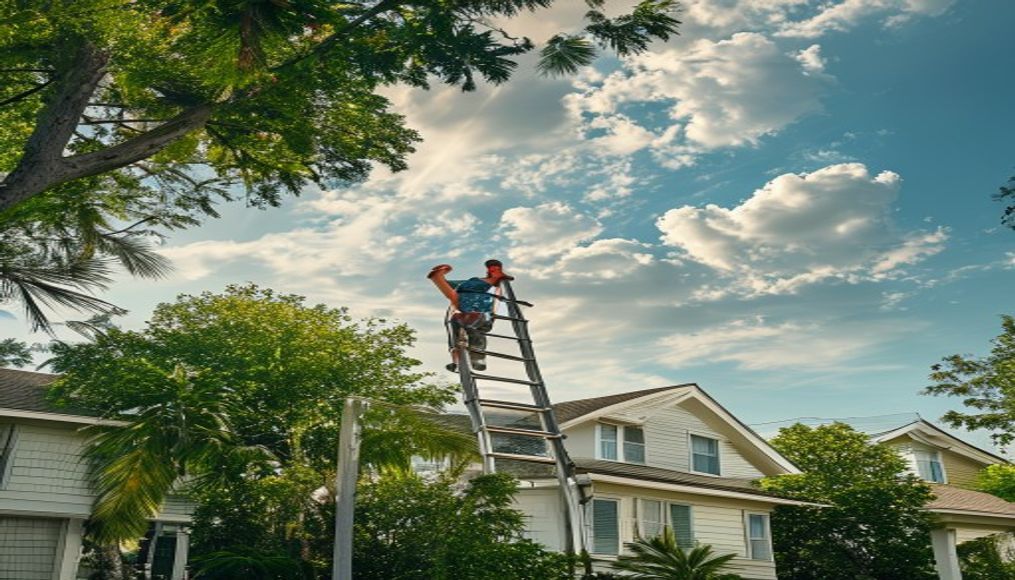
1. Gutters, Downspouts, and Roof Drainage: Your First Line of Defense
In Tampa Bay’s flat, flood-prone geography, gutters aren’t optional — they’re essential storm infrastructure. Clogged gutters can send hundreds of gallons of water cascading against your foundation during a single heavy rain band, let alone a named storm. In May, before the rainy season kicks in, clean every gutter run from debris, seed pods, and the oak pollen that blankets most Tampa neighborhoods each spring.
What to Do
- Flush gutters with a garden hose and confirm water flows freely to the downspout outlet.
- Check downspout extensions — they should direct water at least three feet from your foundation.
- Look for sagging sections or loose hangers; a full gutter can weigh over 200 pounds in a storm surge of rain.
- Trim any overhanging branches within six feet of your roofline — both a wind-damage and a clog risk.
If you find granules from shingles pooling at the downspout outlet, note it for your roofing contractor. Clean gutters paired with intact shingles are your primary defense against interior water intrusion — one of the most common and costly forms of hurricane-related home damage in Hillsborough and Pinellas counties.
2. Lanai, Screen Enclosure, and Outdoor Space Prep
The Florida lanai is one of the most beloved — and most neglected — features of Tampa Bay homes. Pollen, mold spores, and humidity work together year-round to coat screen mesh, frame joints, and concrete or paver floors with a stubborn layer of grime that becomes a breeding ground for mildew. Before hurricane season arrives, a thorough lanai cleaning is both a health measure and a structural one.
Screen Enclosure Checklist
- Inspect every screen panel for tears, holes, or loose splines — damaged screens let in driving rain during a storm.
- Power-wash or hand-scrub frame extrusions with a mild detergent to remove algae and oxidation.
- Clean the concrete or paver floor with a mildew-safe cleaner; rinse thoroughly so the surface isn’t slippery.
- Remove or securely store lightweight décor, potted plants, and furniture cushions before any named storm watch.
For a deep clean that gets into every corner of your outdoor living space, consider a professional deep cleaning service in Tampa before hurricane season. Professionals bring the right equipment and solutions to remove embedded mold spores without damaging aluminum frames or mesh. A clean, well-inspected enclosure is significantly less likely to suffer catastrophic panel failures when winds arrive.
3. Interior Deep-Clean: Humidity, Mold, and Air Quality
Tampa’s average relative humidity hovers around 75% in summer, and it climbs higher inside homes that run AC intermittently or have imperfect seals. Mold can begin colonizing surfaces in as little as 24 to 48 hours of elevated moisture, making a pre-season deep clean of bathrooms, kitchens, and utility spaces essential — not optional. This is also the moment to clean and inspect your air handler and replace your HVAC filter before it must work overtime in July and August.
High-Priority Interior Areas
- Bathroom grout and caulk lines — scrub with a mold-killing solution; re-caulk if needed.
- Under sinks and behind toilets — check supply lines and look for soft drywall indicating past leaks.
- Refrigerator coils and drip pan — a dirty drip pan is a mold reservoir during humid months.
- Window tracks and weep holes — packed debris prevents drainage during wind-driven rain events.
Keeping up with these areas is dramatically easier with a consistent regular cleaning plan in Tampa throughout the year. Don’t wait until you smell mildew — by then, remediation is significantly more disruptive and costly than prevention. Good indoor air quality also means fewer respiratory issues when you and your family shelter in place during a storm.
4. Hurricane Season Cleaning Tampa Checklist for Garage and Utility Areas
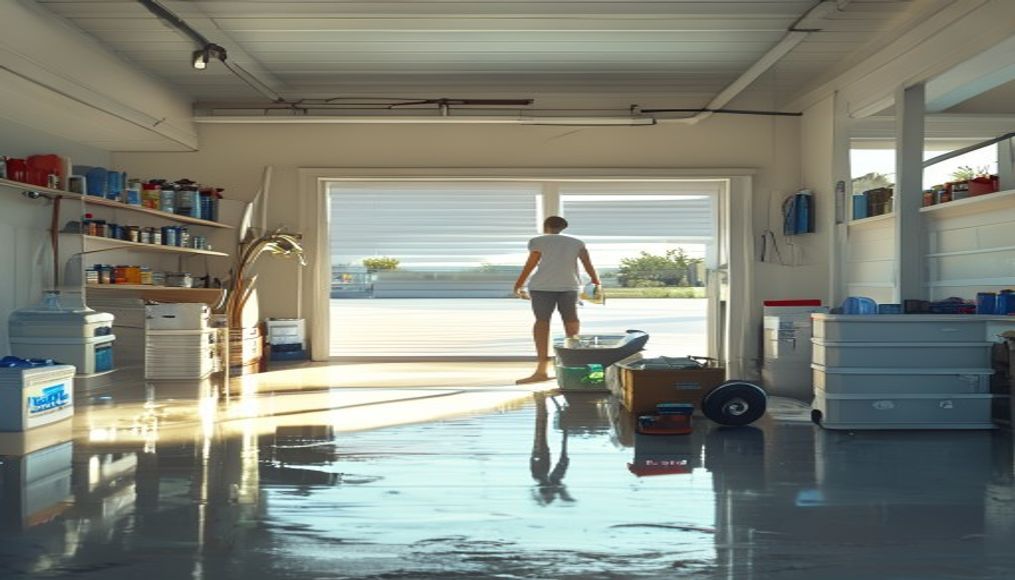
The garage and utility areas of a Tampa home are often overlooked until a storm is 48 hours out — by which time everyone on the Gulf Coast is fighting over the same space at Home Depot. Clear your garage now in May so it can serve its actual storm purpose: storing patio furniture, vehicles, and emergency gear. A disorganized garage in a hurricane is a safety hazard, with loose items becoming projectiles in high winds if the door fails.
Garage and Utility Deep-Clean Steps
- Sweep and degrease the floor; oil slicks make emergency access dangerous.
- Inspect and test the automatic garage door — hurricane-rated bracing kits are available at most Tampa hardware stores.
- Dispose of old chemicals, paint cans, and flammables properly through Hillsborough or Pinellas County hazardous waste programs.
- Organize your emergency kit: water, medications, important documents, phone chargers, and cash.
- Check your generator — test-run it, change the oil if overdue, and store fuel safely in approved containers.
A clean, organized garage also makes post-storm cleanup far easier. Wet-dry vacs, mops, and cleaning supplies should be accessible at the front, not buried under years of accumulated clutter. A single May afternoon in the garage pays dividends for the entire six-month hurricane season.
5. Windows, Doors, and Seals: Weatherproofing as You Clean
Cleaning your windows in May does double duty: it improves natural light during Florida’s gorgeous spring mornings and gives you the opportunity to inspect seals, weatherstripping, and frames before storm season arrives. St. Petersburg and Tampa Bay homes with aging aluminum-frame windows are especially susceptible to seal failure, which allows water intrusion even in a moderate tropical storm. While you’re cleaning the glass, examine every seal carefully.
Window and Door Inspection Points
- Run a wet finger along interior sill edges after spraying the exterior with a hose — any moisture transfer indicates a failed seal.
- Check weatherstripping on all exterior doors; it should compress firmly with no gaps.
- Clean sliding glass door tracks and lubricate rollers — a door that doesn’t seal properly is a water intrusion risk.
- Confirm that all hurricane shutters or impact panels are accounted for, labeled, and accessible.
Window cleaning solutions should be ammonia-free if you have tinted glass, which is common in Tampa Bay homes built after 1995. A streak-free finish is satisfying, but the real win here is discovering a cracked glazing compound or a failed sill seal before the first major rain band of the season turns a small problem into a major repair bill.
Frequently Asked Questions
How does hurricane season cleaning in Tampa differ from regular seasonal cleaning?
Hurricane season cleaning in Tampa goes beyond cosmetic tidiness — it’s a structural and safety audit paired with deep cleaning. You’re not just removing dust; you’re identifying vulnerabilities in your gutters, seals, screens, and storage areas that could compound damage during a storm. The Florida climate — high humidity, pollen, and salt air near the coast — accelerates mold and corrosion, making these checks more urgent here than in most other states.
When is the best time to start hurricane prep cleaning in Tampa Bay?
May is ideal — specifically the first two to three weeks of May before the rainy season begins. Temperatures are still tolerable for outdoor work in the early morning, and you have time to address any issues you discover before June 1st. Waiting until a storm is named means competing for contractor appointments and supplies across all of Hillsborough and Pinellas counties simultaneously.
Should I hire a professional cleaning service before hurricane season?
For deep interior cleaning — especially kitchens, bathrooms, and HVAC-adjacent areas — a professional service saves significant time and delivers better mold-prevention results than a rushed DIY job. Professional cleaners also bring commercial-grade solutions that are more effective against Florida’s persistent humidity-driven mildew. Scheduling in early May means you beat the seasonal rush and have a truly clean baseline before storm season humidity sets in.
What outdoor areas in Tampa homes need the most attention before storm season?
Gutters and screen enclosures top the list for most Tampa Bay homes, followed by garage organization and door/window seals. Lanais and pool cages are particularly vulnerable because damaged screen panels can become wind-catch surfaces that collapse an entire enclosure frame. A few hours of cleaning and inspection in May can prevent thousands of dollars in structural repairs after a storm.
Ready to check hurricane prep cleaning off your May to-do list? The team at FG7 Cleaning specializes in helping Tampa Bay homeowners get their homes spotless, storm-ready, and protected before June 1st. Contact FG7 Cleaning today to schedule your pre-hurricane season cleaning and take the most important item off your checklist this May.