Tropical Storm Cleanup: A Tampa Resident’s Quick Action Guide
Living in Tampa Bay means enjoying year-round sunshine — but it also means knowing that a tropical storm can roll through with little warning, especially in the heart of hurricane season. Whether you’re in Tampa, St. Petersburg, Clearwater, Brandon, or Riverview, a solid plan for tropical storm cleanup Tampa homeowners can rely on is essential to protecting your home and family. Acting fast after a storm isn’t just about appearances — it’s about preventing mold, structural damage, and health hazards that Florida’s humidity makes far worse. The window between a storm passing and mold taking hold can be as short as 24 to 48 hours.
This guide walks you through every critical step, from the moment you step outside after the storm to the deep clean that restores your home to a safe, comfortable space. Florida’s unique climate — relentless humidity, intense sun, and a landscape full of palms, pines, and pollen — creates cleanup challenges that differ significantly from other parts of the country. Understanding those challenges helps you prioritize the right tasks in the right order. Keep this guide bookmarked so it’s ready when you need it most.
Step 1: Safety First — Assess Before You Touch Anything
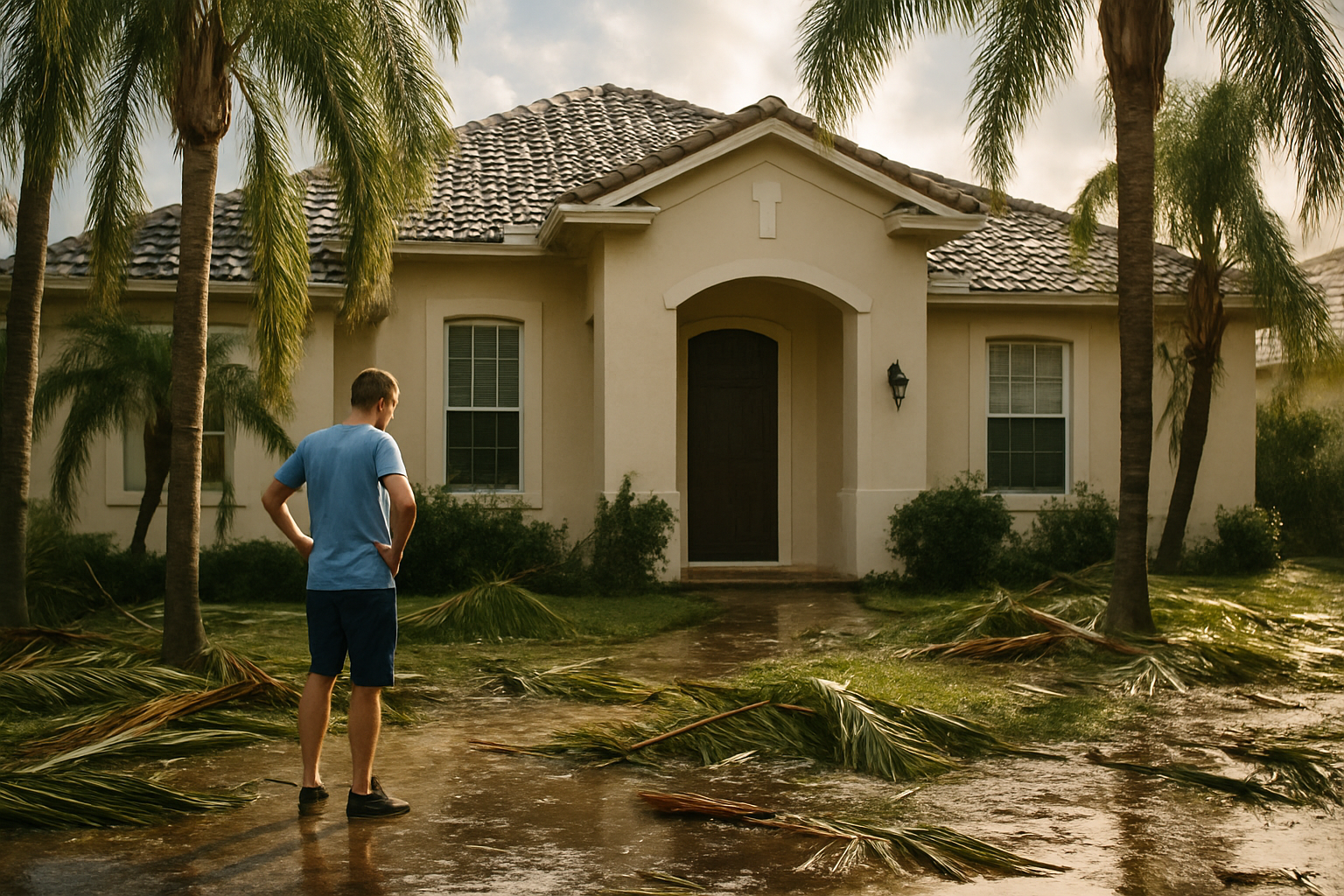
Before you grab a mop or a trash bag, your first job is to assess the property for hazards. Walk the perimeter of your home and look for downed power lines, gas leaks, standing water near electrical panels, and structural damage like cracked walls or a compromised roof. Never assume a downed line is de-energized — keep a distance of at least 30 feet and call Tampa Electric or Duke Energy immediately. If you smell gas, leave the property and call 911.
Once you’ve confirmed the exterior is safe, move inside slowly. Check ceilings for sagging caused by trapped water, and look for cracks around windows and doorframes. Wear rubber-soled shoes, work gloves, and an N95 mask, as floodwater in the Tampa Bay area frequently carries bacteria, sewage runoff, and chemicals. Document every single area of damage with photos and video before touching anything — your insurance company will require this evidence. Only after you’ve completed a full walk-through and documented everything should you begin the physical cleanup process.
- Photograph all damage before moving debris
- Wear PPE: gloves, N95 mask, rubber boots
- Check for gas leaks and downed power lines
- Contact your insurance provider within 24 hours
Tropical Storm Cleanup Tampa: Tackling Water Intrusion and Moisture
Water is the most destructive force a tropical storm leaves behind — and in Tampa’s notoriously humid climate, it doesn’t take long for moisture to become a full-blown mold problem. Start by removing standing water with a wet-dry vacuum or submersible pump if you have one available. Open all windows and doors as soon as it’s safe to do so, and run fans and dehumidifiers continuously. If your HVAC system wasn’t flooded, turn it on to aid drying — just verify the air handler is dry first.
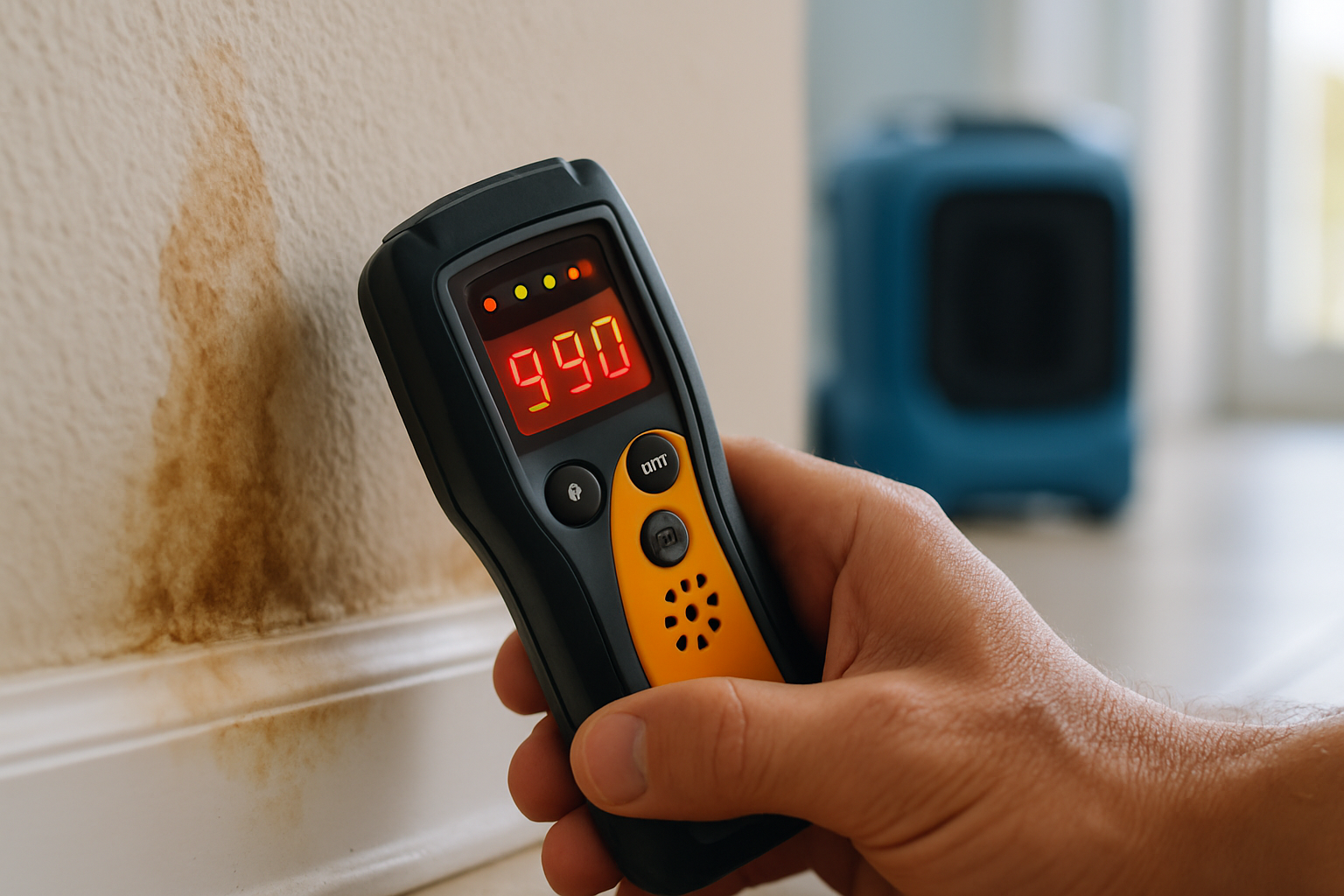
Pull up wet area rugs immediately and move them outside to dry in the sun. Saturated padding under carpets almost always must be discarded, as it rarely dries thoroughly before mold colonizes it. Wipe down hard floors with a disinfectant solution after removing bulk water. Pay special attention to baseboards, drywall lower sections, and cabinet toe-kicks, where moisture hides. In Tampa homes, especially older construction near the bay, moisture can wick into stucco and block walls — probe with a moisture meter if you have one. If drywall reads above 17% moisture, removal and replacement is the safer choice. For a more thorough restoration of affected rooms, a professional deep cleaning in Tampa can eliminate residual contaminants and restore indoor air quality after water intrusion.
Cleaning Your Lanai, Screen Porch, and Outdoor Spaces
Tampa Bay homeowners know that the lanai or screened porch is practically a second living room — and it takes a serious beating in a tropical storm. Start by carefully inspecting the screen panels for tears, holes, and bent frames before hosing anything down. Debris caught in damaged screens can cause further ripping if you’re not gentle. Remove loose leaves, twigs, and palm fronds by hand first, then use a garden hose to flush the screens from the inside out.
Outdoor furniture should be wiped down with a disinfecting solution, as standing water breeds bacteria. Check your outdoor ceiling fans for water intrusion in the motor housing and do not operate them until they’ve fully dried. Tile or concrete flooring on lanais should be scrubbed with a stiff brush and a bleach-water solution (1 cup bleach to 1 gallon water) to kill algae and mold spores that thrive in Florida’s post-storm humidity. Don’t neglect the gutters — clogged gutters caused by storm debris force water back toward your fascia and soffit, leading to expensive rot. Clean gutters within 48 hours of a storm passing. For ongoing maintenance between storms, scheduling regular cleaning in Tampa keeps your outdoor and indoor spaces consistently storm-ready.
Interior Deep Clean: Mold Prevention and Air Quality After a Tampa Storm
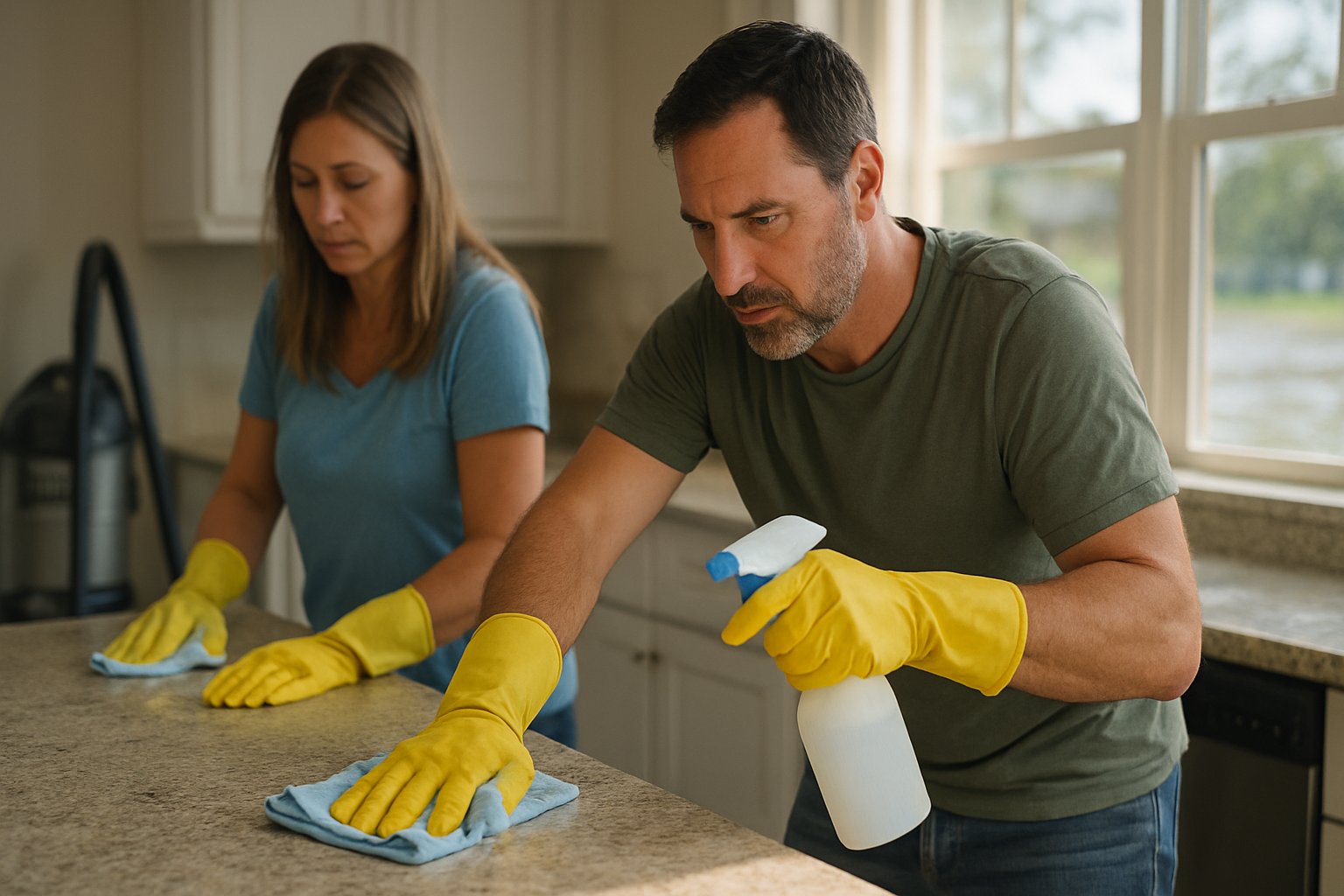
Once structural moisture is under control, shift your focus to a thorough interior clean. Wipe all hard surfaces — countertops, appliances, shelves, and windowsills — with an EPA-approved disinfectant. Pay close attention to areas that may have been exposed to floodwater, which in the St. Petersburg and Tampa Bay coastal zones often carries contaminants from stormwater systems. HEPA-filter vacuums are highly recommended for post-storm cleaning to capture mold spores and fine particulate without recirculating them into the air.
Replace HVAC filters immediately, as storm air carries elevated levels of pollen, mold spores, and dust. Check bathroom exhaust fans, kitchen range hoods, and dryer vents for blockages caused by debris. Discard any food that may have been in contact with floodwater, even if it appears sealed — bacteria can migrate through microscopic gaps. Upholstered furniture exposed to high humidity or direct moisture should be steam-cleaned or professionally treated. Fabric curtains and bedding should go through a hot-water wash cycle with a cup of white vinegar added to the rinse. These steps together dramatically reduce the mold spore counts that spike in Tampa homes after every significant storm event.
When to Call the Professionals: Signs You Need Expert Help
Some post-storm cleanup tasks are genuinely beyond the scope of a motivated homeowner — and recognizing those limits early saves you time, money, and health risk. If you discover black or green mold colonies already forming within the first 24 to 48 hours, do not attempt to clean them with household bleach alone. Mold remediation in Tampa Bay homes often requires professional-grade HEPA equipment, containment barriers, and antimicrobial treatments to prevent cross-contamination to unaffected rooms.
Other situations that warrant professional help include: sewage backup into living spaces, soaked insulation in walls or ceilings, water intrusion in multiple rooms, or any HVAC system that experienced flooding. Professional cleaners also bring industrial dehumidifiers that are significantly more powerful than consumer units, accelerating dry-out times and limiting the mold growth window. If you’re a landlord managing rental properties in Tampa, Brandon, or Riverview, professional documentation of cleanup efforts can also be important for liability purposes. Don’t underestimate the value of expert eyes assessing what you may have missed — storm damage in Florida is rarely as straightforward as it appears on the surface.
- Visible mold growth already forming
- Sewage or contaminated floodwater in living spaces
- Multiple rooms with water intrusion
- Flooded HVAC systems or wall insulation
- Rental property requiring documented remediation
Frequently Asked Questions
How soon should I start tropical storm cleanup Tampa homeowners recommend after a storm passes?
Begin your tropical storm cleanup in Tampa as soon as authorities confirm it is safe to go outside — ideally within 2 to 4 hours of the storm clearing. In Florida’s high-humidity environment, mold can begin growing on wet surfaces within 24 to 48 hours, so every hour counts. Prioritize water removal and ventilation above all other tasks in that first window.
Is it safe to use my air conditioner right after a storm in Tampa Bay?
You can run your AC after a storm if the air handler unit was not submerged or directly exposed to floodwater. First, visually inspect the unit, replace the filter, and check that drain lines are clear of debris. Running the AC actually helps with dehumidification, which is critical in Tampa Bay’s post-storm conditions.
How do I know if my Tampa home has mold after a tropical storm?
Common signs include a musty or earthy odor, visible dark spots on walls or ceilings, and unexplained allergy-like symptoms such as coughing or eye irritation. In Tampa, mold can develop inside walls and under flooring where it isn’t immediately visible, so a moisture meter is a valuable diagnostic tool. If in doubt, consult a certified mold inspector before attempting remediation yourself.
Can I clean my lanai screens myself after storm damage in St. Petersburg or Tampa?
Minor debris, dirt, and algae buildup on intact lanai screens can absolutely be handled with a garden hose and gentle scrubbing. However, if screens are torn, frames are bent, or the surrounding structure shows signs of damage, repairs should be assessed by a licensed screen enclosure contractor. Attempting to clean severely damaged screens can worsen the tears and lead to a more costly replacement.
Ready to get your home back to its best after a tropical storm? The team at FG7 Cleaning specializes in post-storm cleaning and restoration for homeowners across Tampa, St. Petersburg, Clearwater, Brandon, and Riverview. Don’t let humidity and mold get a head start — contact FG7 Cleaning today to schedule your cleanup and breathe easy again.