Peak Hurricane Season Mid Tampa: Is Your Home Ready for August’s Fury?
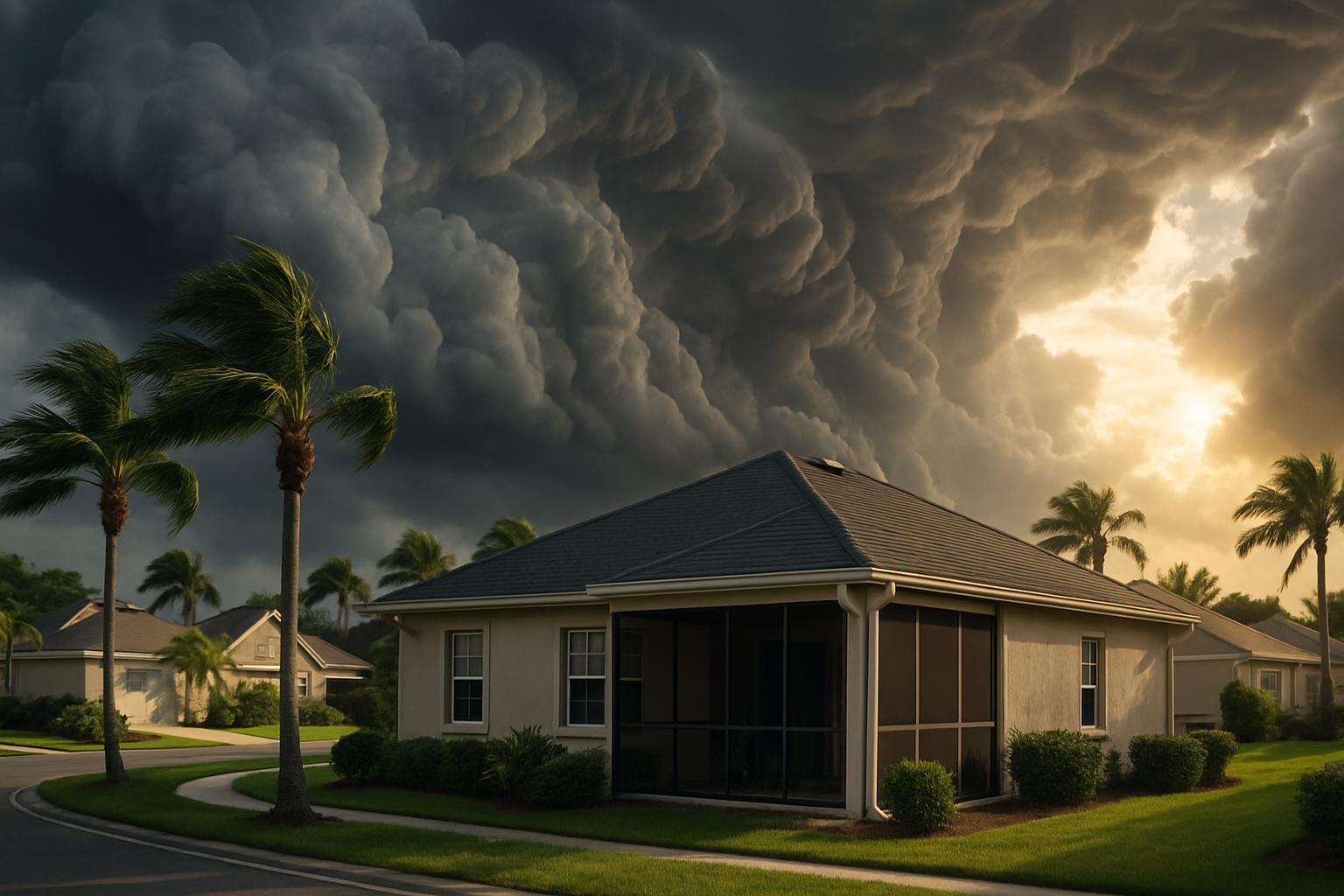
August and September mark the statistical peak of hurricane season mid Tampa Bay, when the Gulf of Mexico warms to its highest temperatures and tropical systems intensify with alarming speed. Tampa homeowners face a unique combination of threats during this window — storm surge, relentless humidity, wind-driven debris, and the kind of interior moisture that sneaks in and never quite leaves. Knowing what to do right now, at the height of the season, can protect both your property and your peace of mind.
Preparation isn’t a one-time checklist you knock out in June and forget. By mid-season, many of the precautions you put in place have already been tested by summer storms, and gaps have likely appeared. Now is the time to reassess your home’s condition, clean up storm debris, tackle humidity damage, and make sure every corner of your house is as protected — and as livable — as possible before the next system forms in the Atlantic.
Understanding Mid-Season Hurricane Risks in the Tampa Bay Area
The National Hurricane Center consistently identifies August 10 through September 10 as the statistical peak of Atlantic hurricane activity, and Tampa Bay sits squarely in a historically underestimated risk zone. Because a major direct hit on Tampa has not occurred since 1921, many residents carry a false sense of security. The combination of Tampa Bay’s funnel-shaped geography and shallow warm Gulf waters means that a storm making landfall at the right angle could push a devastating storm surge well inland. Understanding these risks isn’t about fear — it’s about motivation. When you appreciate how serious the mid-season window is, you take action on the tasks that protect your family and your investment. Start by reviewing your emergency plan and confirming that your home’s exterior, interior, and supporting systems are all in order. Check local resources from Hillsborough County Emergency Management and keep weather apps with push alerts active throughout August and September.
Post-Storm Cleaning and Debris Management After Mid-Season Squalls
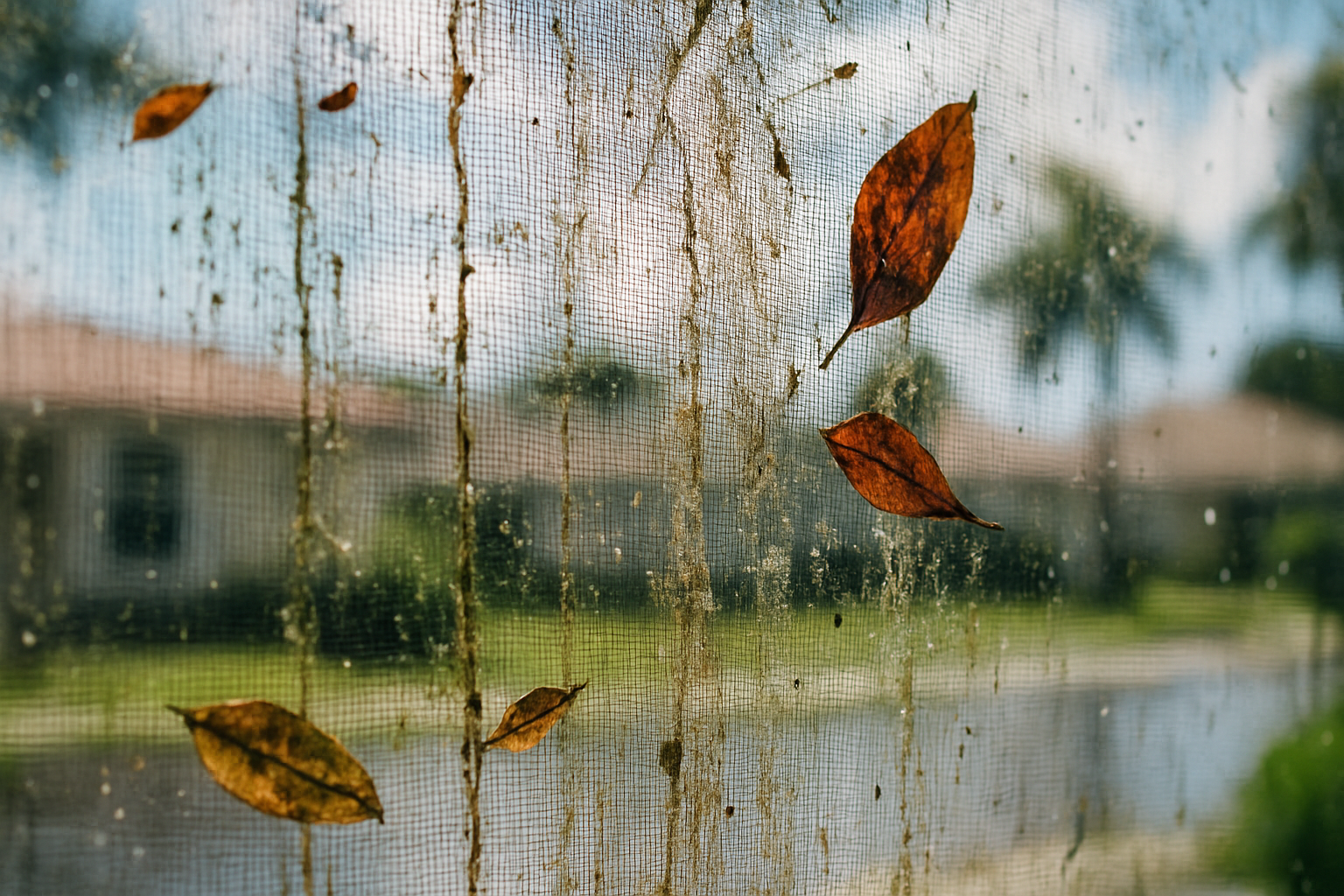
Even tropical storms and strong squalls — the everyday visitors of hurricane season mid Tampa — leave behind a surprising amount of mess. Wind-driven debris collects on lanais and screen porches, mold begins colonizing damp corners within 24 to 48 hours, and mud tracked in from flooded yards works deep into grout lines and carpet fibers. Tackling this aftermath quickly is essential for both hygiene and structural protection.
Priority Cleanup Areas
- Lanai and screen enclosures: Clear organic debris immediately to prevent mold growth on screens and concrete.
- Entryways and hard floors: Storm mud carries bacteria and allergens — mop with a disinfecting solution.
- Window tracks and sills: Rain intrusion pools here; dry and disinfect within 24 hours.
- HVAC vents and returns: Increased humidity forces your system to work harder and can spread mold spores if filters are clogged.
For deeper remediation after a significant storm event, a professional deep cleaning in Tampa can address the hidden moisture and grime that a surface wipe-down simply won’t reach. Acting fast after each storm is the difference between a minor cleanup and a costly mold remediation project later in the fall.
Humidity Control: The Invisible Threat Inside Your Tampa Home
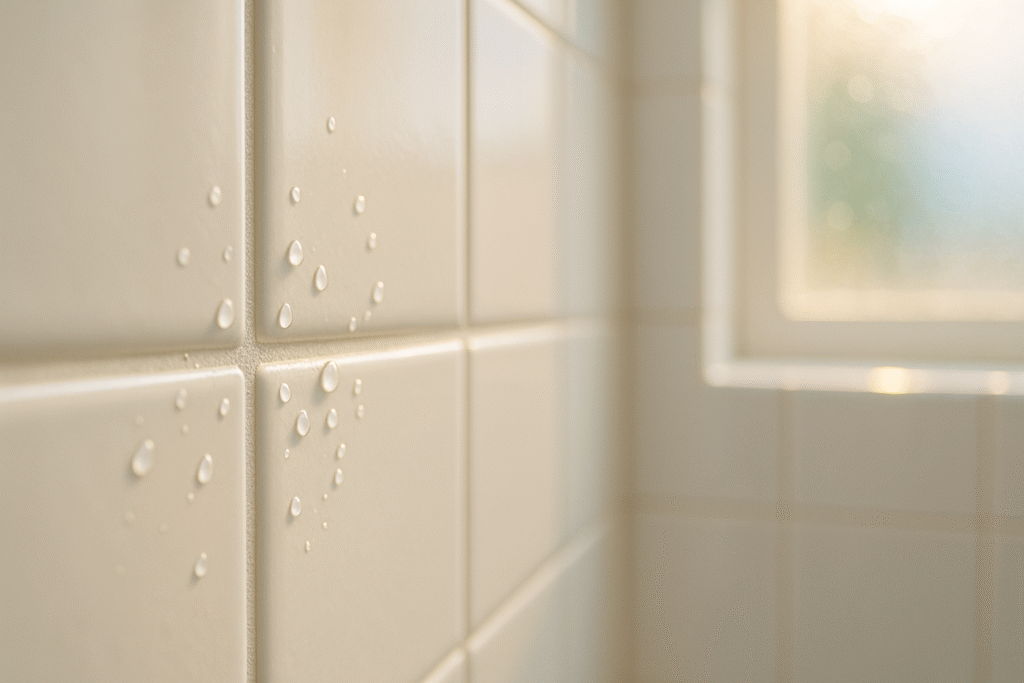
Florida’s summer humidity routinely exceeds 80 to 90 percent during hurricane season, and that moisture penetrates your home in ways that aren’t always visible. Condensation forms on cold surfaces, fabric absorbs ambient moisture, and dust mites thrive in humid environments — all of which combine to degrade indoor air quality and create long-term damage to wood, drywall, and upholstery. Controlling indoor humidity is therefore a critical mid-season cleaning task, not just a comfort concern.
Practical Humidity Management Tips
- Keep your thermostat set to 76–78°F consistently — temperature swings cause condensation.
- Run bathroom and kitchen exhaust fans during and after use.
- Place desiccant packs in closets, under sinks, and in storage areas.
- Inspect weather stripping on all exterior doors and replace if compromised.
- Clean refrigerator drip pans, which can become mold hot spots in humid months.
Consistent upkeep is the backbone of humidity control. Enrolling in a regular cleaning plan in Tampa ensures that dust, mildew-prone surfaces, and moisture-collecting areas are addressed on a schedule that matches the intensity of our Florida summers, rather than waiting until problems become visible.
Preparing Your Lanai and Outdoor Spaces for the Season’s Peak
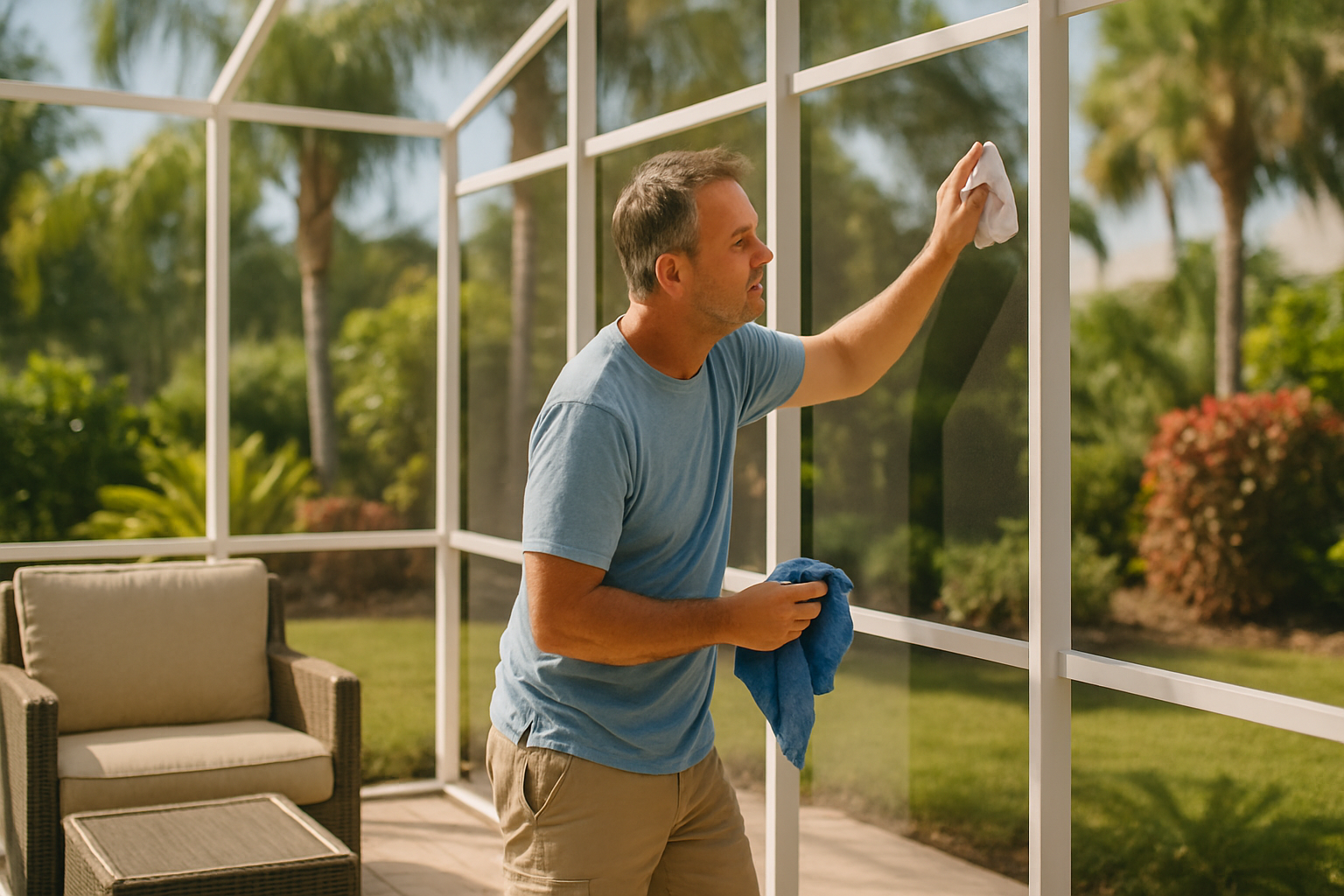
The lanai is one of the most beloved features of Tampa Bay homes and one of the most vulnerable during hurricane season mid Tampa. Screen enclosures trap wind load if not properly vented, and organic debris accumulating on screens creates the perfect environment for algae and mold. Mid-season is the right time to give your outdoor living spaces a thorough assessment and cleaning before the next named storm forces you to scramble.
Lanai Checklist for Mid-Season
- Inspect all screen panels for tears and patch or replace them before high winds worsen the damage.
- Scrub pool deck and lanai concrete with a mold-inhibiting cleaner to remove algae buildup.
- Secure or store all patio furniture, planters, and decorative items that can become projectiles.
- Clear gutters and downspouts to ensure storm runoff flows away from your foundation.
- Check the lanai door hardware and latches — strong tropical gusts can rip a poorly latched door off its frame.
In St. Petersburg and Clearwater, where salt air accelerates corrosion, hardware inspections are especially important. A mid-season lanai cleaning and check-up takes only a few hours but pays dividends when the next storm watch is issued and you can shelter in place with confidence.
Indoor Air Quality and Allergen Management During Hurricane Season
Hurricane season coincides with peak mold spore and pollen counts across the Tampa Bay region, making indoor air quality a genuine health concern for families with asthma, allergies, or young children. Storm events stir up outdoor allergens and force them inside through gaps in windows, doors, and HVAC systems. Post-storm cleaning should therefore include not just visible surfaces but the air itself.
Steps to Improve Indoor Air Quality Mid-Season
- Replace HVAC filters with MERV-11 or higher filters and check them monthly during peak season.
- Wipe down ceiling fans, blinds, and baseboards — common allergen reservoirs.
- Steam-clean upholstered furniture and area rugs that have absorbed ambient mold spores.
- Use an air purifier with a HEPA filter in bedrooms and main living areas.
- Keep indoor plants healthy but avoid overwatering, which promotes mold growth in soil.
Maintaining excellent indoor air quality through the peak of hurricane season is not just about comfort — it is a measurable contribution to your family’s respiratory health. Consistent cleaning rhythms, combined with proactive storm prep, create a home environment that remains safe and pleasant even when the weather outside is anything but.
Frequently Asked Questions
What does hurricane season mid Tampa mean for my home cleaning schedule?
Hurricane season mid Tampa — roughly August through early September — is the statistically most active period, meaning storms arrive more frequently and with less warning. Your cleaning schedule should shift to account for rapid post-storm debris removal, increased mold monitoring, and more frequent HVAC filter checks. Staying on a regular cleaning plan during this window helps you detect and address moisture damage before it becomes a structural problem.
How soon after a tropical storm should I clean my home’s interior?
Mold can begin growing on damp surfaces within 24 to 48 hours after moisture intrusion, so interior cleanup should begin as soon as it is safe to re-enter your home. Focus first on drying wet surfaces, then disinfect and clean thoroughly. If the storm was significant, consider scheduling a professional deep cleaning to address areas you may have missed.
Is professional cleaning necessary after every storm in Tampa Bay?
Not every storm warrants a full professional service — minor squalls may only require a basic wipe-down and debris clearing. However, after any event involving interior water intrusion, flooding, or heavy debris accumulation on your lanai or entryways, professional cleaning provides a level of thoroughness that protects your home long-term. Think of it as insurance for your indoor air quality and surface integrity.
How do I protect my lanai screens during peak hurricane season in Tampa?
Regular inspection and prompt repair of any tears or holes prevent minor damage from escalating when winds pick up during the season’s peak. Clean your screens monthly to remove organic buildup that weakens the mesh, and always remove or secure furniture before a named storm makes landfall. For severe storms, consult with your screen enclosure installer about wind-venting options designed specifically for Tampa Bay’s storm patterns.
Don’t let peak hurricane season catch your Tampa home unprepared. Whether you need a comprehensive post-storm deep clean, ongoing maintenance through the season, or a fresh start before the next system forms, FG7 Cleaning is here to help. Contact us today to schedule your service and face the rest of hurricane season with confidence.