How humidity damage Tampa home owners face can be stopped with the right cleaning plan
If you live in the Tampa Bay area, you already know that stepping outside in July feels like walking into a warm, wet towel. That relentless moisture does not stay outside — it seeps through windows, clings to walls, and quietly fuels mold growth inside your home. Understanding how humidity damage Tampa home owners experience every year is the first step toward protecting one of your most valuable assets. The good news is that a consistent cleaning routine can dramatically reduce the risks before they become costly repairs.
Florida’s Gulf Coast climate brings average indoor relative humidity levels well above the 30–50% range that most building scientists recommend. In Tampa, St. Petersburg, and Clearwater, summers routinely push indoor humidity past 65% without a well-maintained HVAC system and proactive cleaning habits. Dust mites, mildew, and mold spores thrive in those conditions, turning hidden corners of your home into health hazards. This guide breaks down exactly what high humidity does to your living spaces and how targeted cleaning strategies can keep the damage at bay.
What High Humidity Actually Does Inside a Florida Home
Many homeowners think of humidity as a comfort issue — something that just makes you feel sticky. In reality, excess moisture is a slow-acting corrosive force working on nearly every surface in your home. When relative humidity climbs above 60%, wood floors begin to swell and warp, painted drywall absorbs moisture and softens, and metal fixtures start to oxidize faster than normal. In Tampa homes built on slab foundations, moisture vapor can even wick upward through concrete into flooring adhesives and subfloors, causing tiles to pop and laminate to buckle.
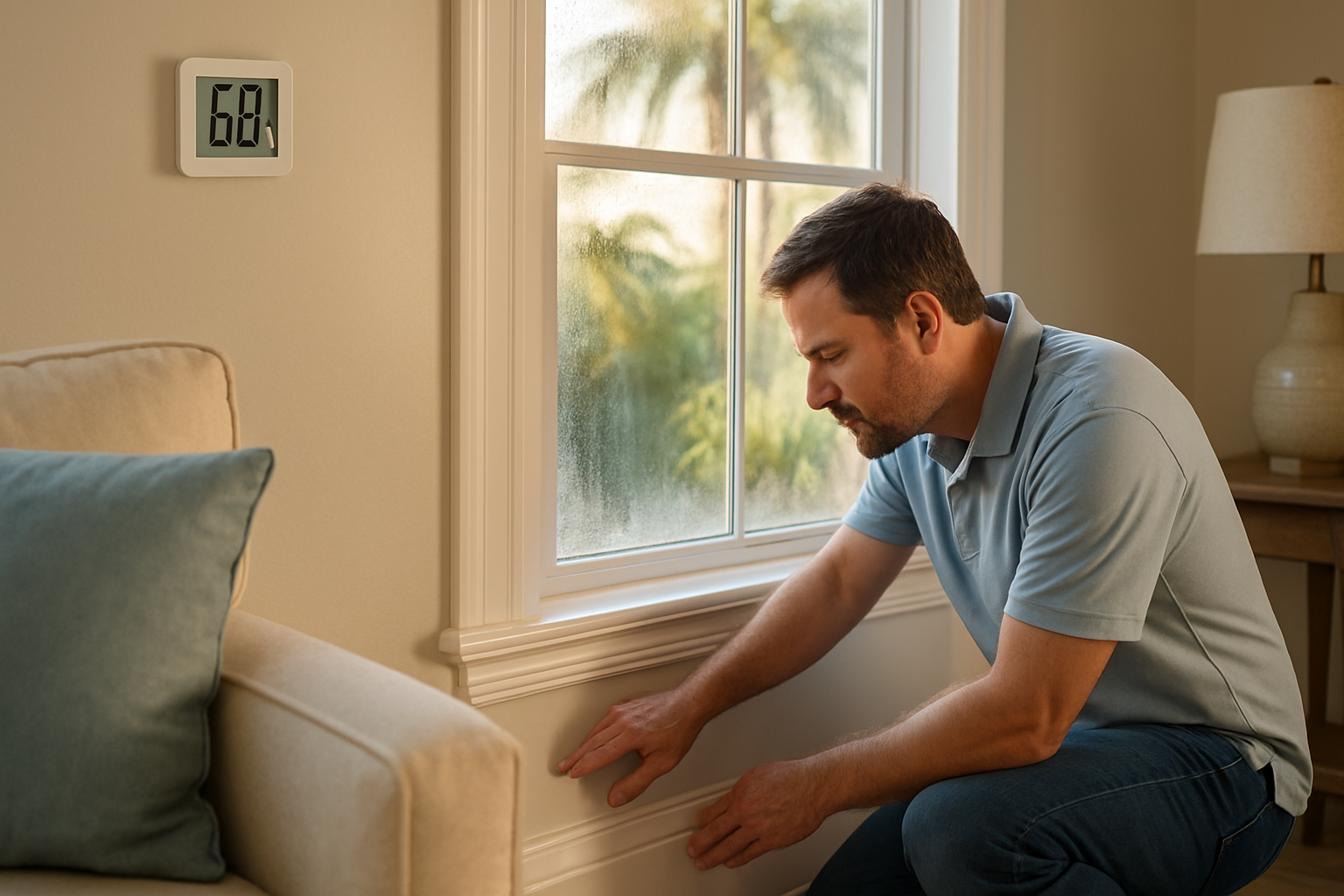
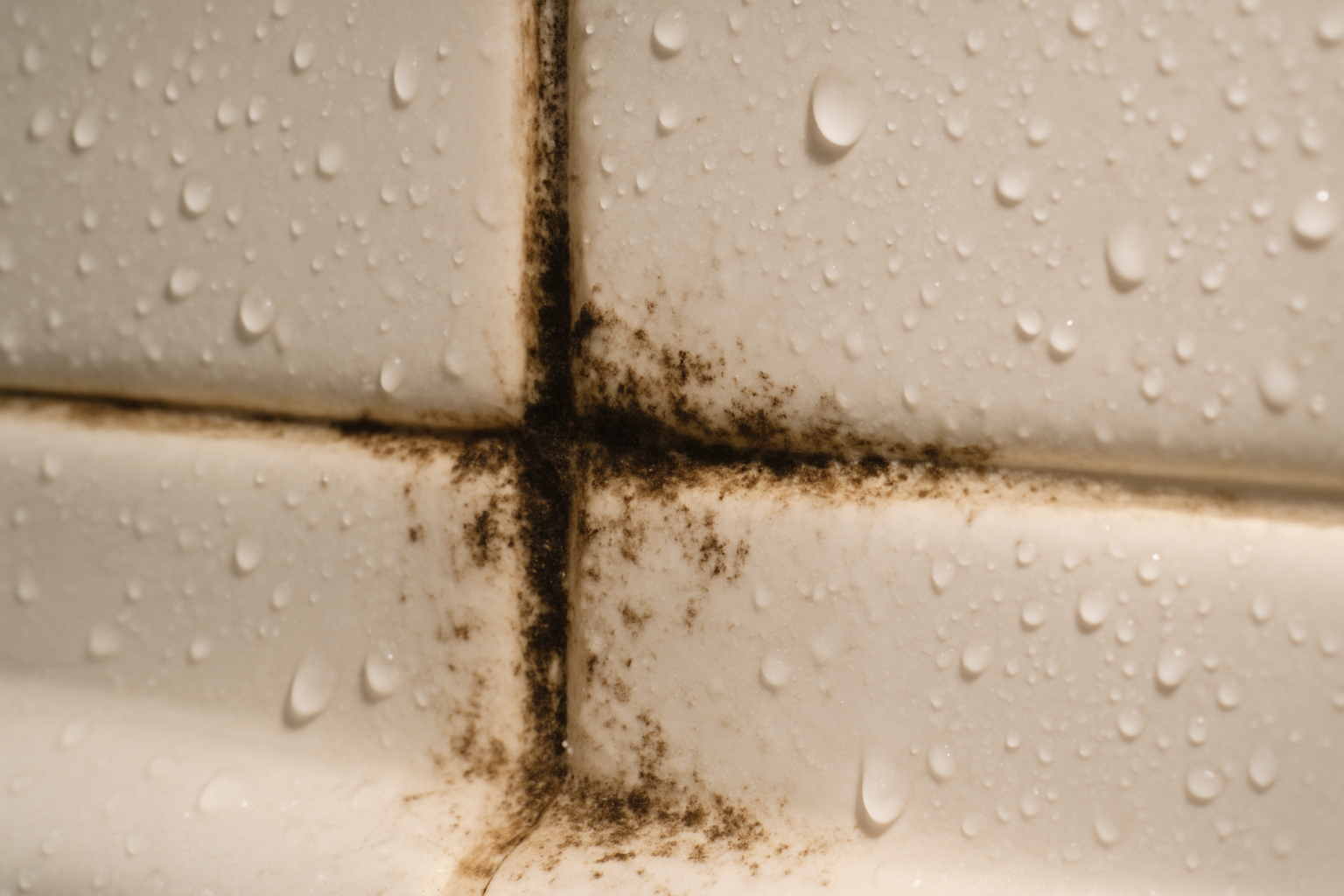
Organic materials are especially vulnerable. Grout lines between bathroom tiles become a feeding ground for mildew, fabric upholstery traps moisture and develops a musty odor, and ceiling corners collect condensation that leads to dark mold blooms. Windowsills and door frames — especially in older Tampa Bay homes — are frequent first victims because they sit at the intersection of conditioned indoor air and hot, humid outdoor air. Recognizing these early warning signs gives you the chance to intervene with cleaning and ventilation before structural damage sets in. Regular deep cleaning in Tampa is one of the most effective ways to eliminate the moisture-laden grime that accelerates this deterioration.
Mold and Mildew: The Hidden Threat to Tampa Bay Households
Mold is the most talked-about consequence of high humidity, and for good reason — the Centers for Disease Control links indoor mold exposure to respiratory irritation, allergic reactions, and worsened asthma symptoms. In the Tampa Bay region, the combination of year-round warmth and seasonal humidity spikes creates nearly perfect mold-growing conditions. Spores need just 24–48 hours of moisture and an organic surface to colonize, which is why a small leak behind a refrigerator or a damp bath mat left on tile can spark a full-blown mold problem surprisingly fast.
Common Mold Hotspots in Florida Homes
- Bathroom ceilings and grout lines — steam from showers condenses on cool surfaces overhead.
- Inside kitchen cabinets — especially those adjacent to the dishwasher or sink.
- Air handler closets and HVAC drip pans — a critical inspection point unique to Florida climates.
- Lanais and screen porches — outdoor air and organic debris from Florida’s lush landscaping combine to create mold-friendly surfaces.
- Under-bed and closet walls — low airflow zones where moisture accumulates unnoticed.
Scrubbing visible mold with an appropriate cleaner is necessary, but equally important is eliminating the underlying moisture source. After addressing the cause, a thorough surface cleaning with EPA-approved disinfectants prevents re-colonization. Tampa Bay homeowners should schedule this type of intensive treatment at least twice a year — before and after hurricane season — to stay ahead of seasonal humidity surges.
Cleaning Strategies That Actively Fight Humidity Damage
Reactive cleaning — wiping up mold after it appears — is far less effective than a proactive cleaning calendar designed around Florida’s climate rhythms. The goal is to remove the biofilm, dust, and organic matter that mold and dust mites feed on before they gain a foothold. Here are the highest-impact habits for Tampa homeowners:
High-Priority Cleaning Actions
- Weekly bathroom scrubbing: Use a mildew-inhibiting cleaner on grout, caulk lines, and shower curtain liners. Rinse thoroughly and leave the exhaust fan running for at least 20 minutes after each shower.
- Monthly HVAC filter changes: Florida’s HVAC systems run almost year-round, accumulating mold spores and dust faster than in drier climates. A clogged filter recirculates those particles throughout the home.
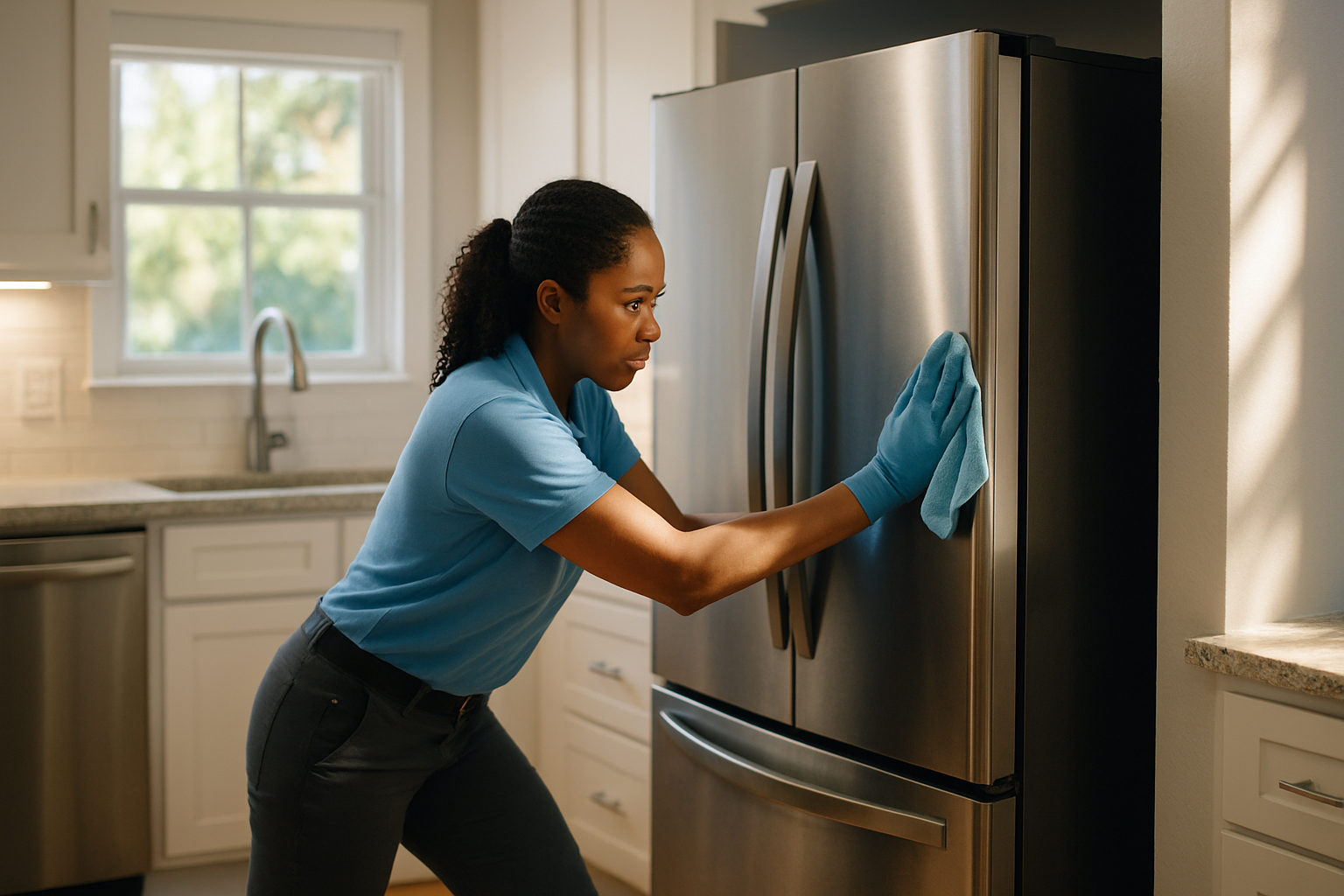
- Quarterly deep-clean of kitchen appliances: Pull the refrigerator out from the wall, clean the drip tray, and inspect the adjacent wall for moisture staining.
- Bi-annual lanai and screen-porch washing: Use a low-pressure rinse to remove pollen, mildew, and salt-air residue from screens and floor surfaces.
- Annual grout resealing: A fresh sealant layer in bathrooms and kitchens prevents moisture penetration and dramatically slows mildew growth.
Pairing these habits with a regular cleaning service in Tampa ensures that the baseline level of cleanliness is always high enough to deny mold and humidity damage the conditions they need to thrive.
How Hurricane Season Compounds humidity damage Tampa home owners dread
Between June and November, Tampa Bay sits squarely in Atlantic hurricane season, and even storms that don’t make direct landfall bring prolonged periods of extreme humidity, heavy rain infiltration, and power outages that disable air conditioning. A home without AC in a Florida summer can see indoor humidity spike to 80% or higher within just a few hours, saturating walls, carpets, and furniture with moisture that takes days to fully dry. That window of dampness is more than enough for mold colonies to establish themselves across large surface areas.
Before hurricane season begins each May, smart Tampa homeowners complete a “pre-storm clean” that includes clearing gutters, inspecting window seals and weatherstripping for gaps, and giving all interior surfaces — especially bathrooms, kitchens, and laundry rooms — a thorough wipe-down with disinfectant. After any significant tropical weather event, a rapid inspection of attic spaces, under-sink cabinets, and around sliding glass doors can catch moisture intrusion early, when it’s still manageable. Having a generator to run a dehumidifier during extended outages is a worthwhile investment in St. Petersburg, Clearwater, and surrounding communities where flooding and humidity extremes are seasonal realities.
Products, Tools, and Professional Help Worth Investing In
Not all cleaning products are equally effective against the specific challenges posed by Florida humidity. Here are the tools and products that deliver the best results in Tampa Bay homes:
Recommended Products and Tools
- Dehumidifiers rated for 70 pints/day: Place in basements, laundry rooms, and any below-grade or slab-level spaces prone to moisture accumulation.
- Hygrometers: Affordable digital gauges that display real-time indoor humidity. Keep levels between 45–55% year-round.
- Microfiber cleaning cloths: Trap moisture and microbial particles more effectively than cotton rags, reducing cross-contamination between surfaces.
- Hydrogen peroxide-based mold sprays: Safer for household use than bleach on porous surfaces, and highly effective on early-stage mildew.
- HEPA-filter vacuums: Essential for removing mold spores and dust mite allergens from carpets and upholstery without recirculating them.
Even the most diligent homeowner can miss the hidden corners where humidity damage begins. Professional cleaners trained in Florida’s specific climate challenges bring industrial-grade equipment and EPA-certified products that go beyond what typical consumer tools can achieve. Investing in professional cleaning services — particularly before and after hurricane season — is one of the smartest preventive maintenance decisions a Tampa homeowner can make.
Frequently Asked Questions
How does humidity damage Tampa home structures over time?
Persistent high humidity causes wood to warp, metal to corrode, drywall to soften, and adhesives to fail — all of which weaken a home’s structural integrity over time. In Tampa’s climate, these effects are accelerated because elevated moisture levels are present for most of the year, not just a single rainy season. Proactive cleaning and humidity control are the most cost-effective defenses against this gradual deterioration.
What is the ideal indoor humidity level for a Tampa Bay home?
Most building scientists and the EPA recommend keeping indoor relative humidity between 30% and 50%, though in Florida a target of 45–55% is more realistic during summer months. Staying within this range discourages mold growth, reduces dust mite populations, and protects wood furnishings and flooring. A simple digital hygrometer placed in your living room gives you a real-time reading to guide your HVAC and dehumidifier settings.
How often should I schedule a deep clean to prevent mold in my Tampa home?
For most Tampa Bay households, a thorough deep clean twice a year — ideally in May before hurricane season and in November after it ends — provides a strong baseline of mold prevention. Homes with known moisture issues, pets, or allergy sufferers may benefit from quarterly professional cleanings. Consistent maintenance cleanings every two to four weeks between deep cleans keep organic buildup from reaching levels that support mold growth.
Can cleaning alone stop mold from returning in a humid Florida home?
Cleaning removes existing mold and the organic matter it feeds on, but it works best when paired with humidity control measures such as a properly sized HVAC system, exhaust fans in bathrooms and kitchens, and a whole-home dehumidifier during peak season. Without addressing the moisture source, even the most thorough cleaning is only a temporary fix. The most effective strategy combines regular professional cleaning with smart ventilation and ongoing humidity monitoring.
Ready to protect your home from Florida’s relentless humidity? The expert team at FG7 Cleaning specializes in helping Tampa Bay homeowners build a cleaning routine that prevents mold, extends the life of their surfaces, and keeps their families breathing easy year-round. Contact FG7 Cleaning today to schedule your consultation or book a cleaning service tailored to Florida’s unique climate challenges.