
Hurricane Peak Tampa September: Is Your Home Still Ready for the Storm Season?
Every year, September 10th marks the statistical peak of the Atlantic hurricane season — and if you live in Tampa Bay, that date is more than a calendar footnote. It’s a wake-up call. The hurricane peak Tampa September window means the Gulf of Mexico is at its warmest, atmospheric conditions are ripe for rapid storm development, and the time to double-check your home’s readiness is right now, not when a named storm is already spinning in the Caribbean.
The good news is that mid-season is the perfect checkpoint. You’ve already made it halfway through without a direct hit, but the next six weeks remain the most statistically dangerous of the year. Whether you’re in St. Petersburg, Brandon, Clearwater, or Riverview, this guide will walk you through a practical, room-by-room home check-up so you and your family can face the rest of hurricane season with confidence — and a cleaner, safer home.
1. Why the Hurricane Peak Tampa September Window Demands Attention
According to NOAA, the Atlantic hurricane season officially runs from June 1st through November 30th, but activity doesn’t peak evenly across those months. September 10th is the apex of that bell curve — the single most likely date for a storm to be active somewhere in the Atlantic basin. For Tampa Bay residents, this carries extra weight. The Bay’s unique geography funnels storm surge in ways that few other coastal cities experience, and a direct hit from even a Category 2 hurricane could produce historic flooding across low-lying neighborhoods.
Understanding this peak isn’t about creating panic — it’s about making smart decisions. Tampa has historically been “lucky,” but experts consistently remind us that luck isn’t a preparedness strategy. Mid-season is the moment to revisit your hurricane kit, re-examine your evacuation plan, and — critically — assess the condition of your home’s interior. A clean, organized home is a safer home: you’ll evacuate faster, recover more efficiently, and spot hidden vulnerabilities before a storm reveals them for you.
Key Dates to Know
- September 10: Statistical peak of Atlantic hurricane season (NOAA)
- September–October: Highest probability window for Gulf of Mexico storms
- November 30: Official end of hurricane season
2. Mid-Season Home Exterior Check-Up: Shutters, Screens, and Lanais
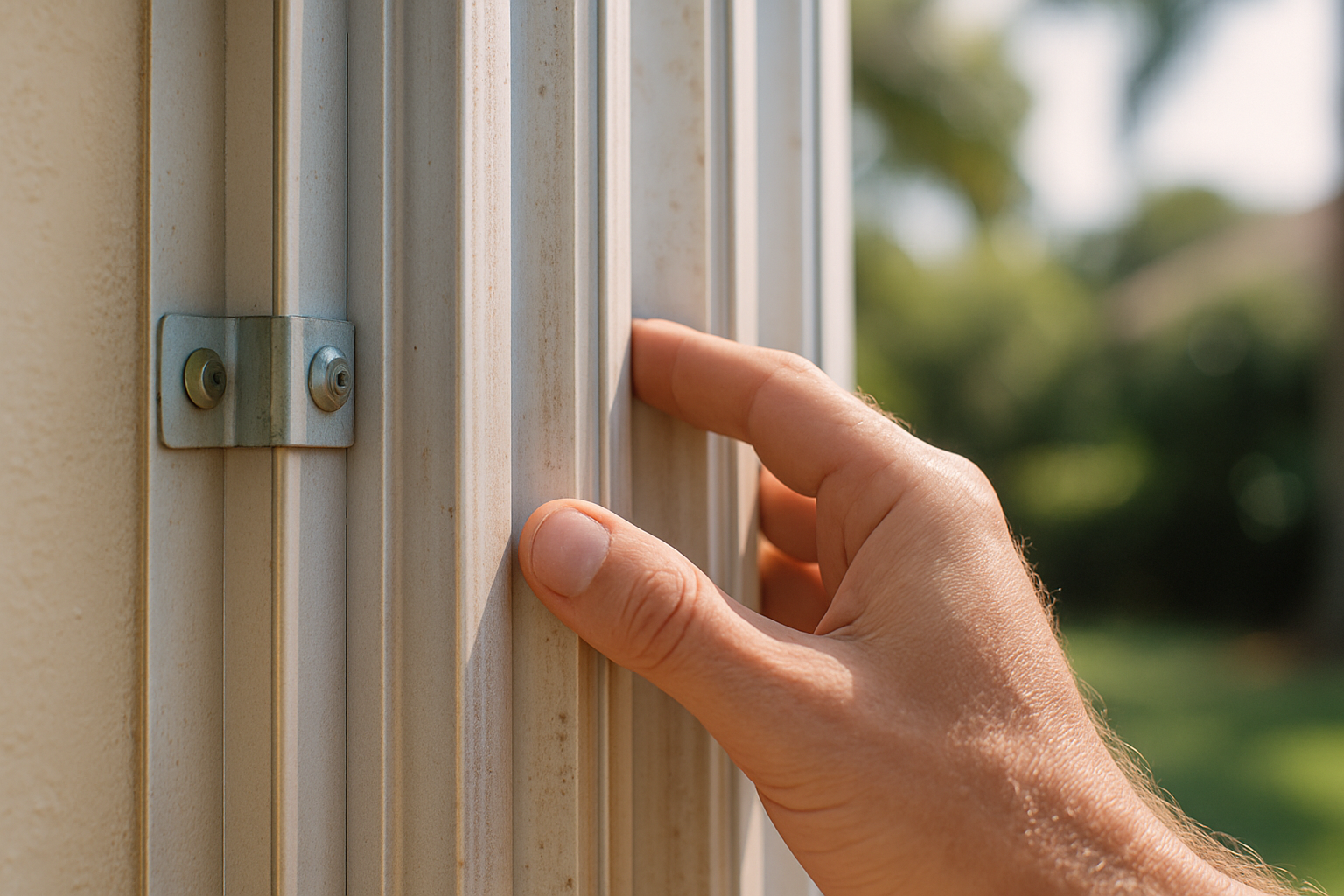
Florida homes have features that homes in other states simply don’t: screen-enclosed lanais, aluminum storm shutters, and accordion panels that sit dormant for months. The Tampa Bay humidity and salt air are hard on all of them. A mid-season check means physically pulling out or testing every shutter panel to confirm there are no bent tracks, missing hardware, or corroded bolts. A shutter that looks fine from the outside can fail under pressure if the mounting brackets have rusted.
Your lanai screen is equally important. Damaged screens aren’t just a bug problem — large tears can allow wind-driven rain to pressurize the enclosure, putting stress on the roof attachment points. Walk the entire perimeter and look for tears, loose frame sections, and spline that has popped out of its channel. Garage doors are another weak point: standard residential doors often aren’t rated for hurricane-force winds, and bracing kits are inexpensive and easy to install before a storm is named.
Exterior Check-Up List
- Test all accordion shutters and panel shutter tracks
- Inspect lanai/screen enclosure for tears and loose framing
- Check garage door rating and consider a brace kit
- Clear gutters of Florida’s summer pollen and debris buildup
- Trim overhanging branches — they become projectiles in high winds
- Anchor or store outdoor furniture, grills, and potted plants
3. Interior Organization: Clear the Clutter Before the Storm
When a hurricane watch is issued, Tampa Bay families have 48 hours — sometimes less — to gather documents, medications, pet supplies, and go-bags before potentially evacuating. Clutter is the enemy of fast action. If your closets are packed, your garage is a maze, and your important documents are scattered across three drawers and a filing box in the attic, you will lose precious time in an emergency.
A mid-season interior clean-out serves double duty. First, it reduces the chaos of a rushed evacuation. Second, it lets you visually scan every room for storm prep needs: Are the window film treatments still in good shape? Is there anything stored near windows that could become a hazard if glass breaks? Are flashlights and battery-powered fans accessible without digging through a junk drawer?
If the idea of decluttering before the season’s peak feels overwhelming, consider scheduling a deep cleaning service in Tampa to help reset your home to a clean, organized baseline. Professional cleaners can tackle the areas that accumulate hidden grime and clutter — behind furniture, inside closets, under beds — freeing you to focus on the safety tasks only you can do.
Interior Priority Areas
- Hallway and interior closets (safe rooms and shelter spots)
- Kitchen pantry — rotate and stock non-perishables
- Master bedroom — medications, go-bag, flashlights within reach
- Garage — clear a path and organize supplies by category

4. Post-Storm Cleaning Plan: Think Ahead for the Hurricane Peak Tampa September Recovery
Most homeowners think about pre-storm prep but forget that the aftermath of a hurricane can be just as disruptive and dangerous as the storm itself. Mold growth in Tampa‘s humidity can begin within 24 to 48 hours of water intrusion. Fine debris, insulation particles, and contaminated floodwater leave behind residues that require professional-grade cleaning, not just a mop and a bucket.
During the hurricane peak Tampa September window, it pays to have a recovery plan written down before you need it. Identify which rooms are most vulnerable to water entry — usually those with older windows, sliding glass doors, or low-lying floors. Lay out plastic sheeting, old towels, and a wet/dry vacuum so they’re easy to deploy the moment the storm passes. Keep a list of emergency contacts, including your cleaning service, so you’re not scrambling through a flooded phone at 6 a.m. after a storm.
If you already maintain your home with a regular cleaning schedule in Tampa, you’ll be starting recovery from a cleaner baseline — which means mold has fewer organic deposits to feed on, and professional restoration crews can work faster and more efficiently in your home.
Post-Storm Cleaning Essentials to Pre-Stage
- Wet/dry shop vacuum (fully charged or with a fresh bag)
- Heavy-duty plastic sheeting and painter’s tape
- Rubber gloves, N95 masks, and safety goggles
- Mold-inhibiting spray and microfiber cloths
- Waterproof document box for insurance papers and IDs
5. Florida-Specific Humidity and Mold: Year-Round Vigilance
Even in years when Tampa Bay avoids a direct hurricane hit, the combination of tropical humidity, intense summer rain, and air-conditioned interiors creates ideal conditions for mold, mildew, and dust mite proliferation. Your A/C system is working overtime from May through October, which means filters clog faster, condensate drains can back up, and the surfaces around supply vents accumulate a sticky layer of dust and moisture.
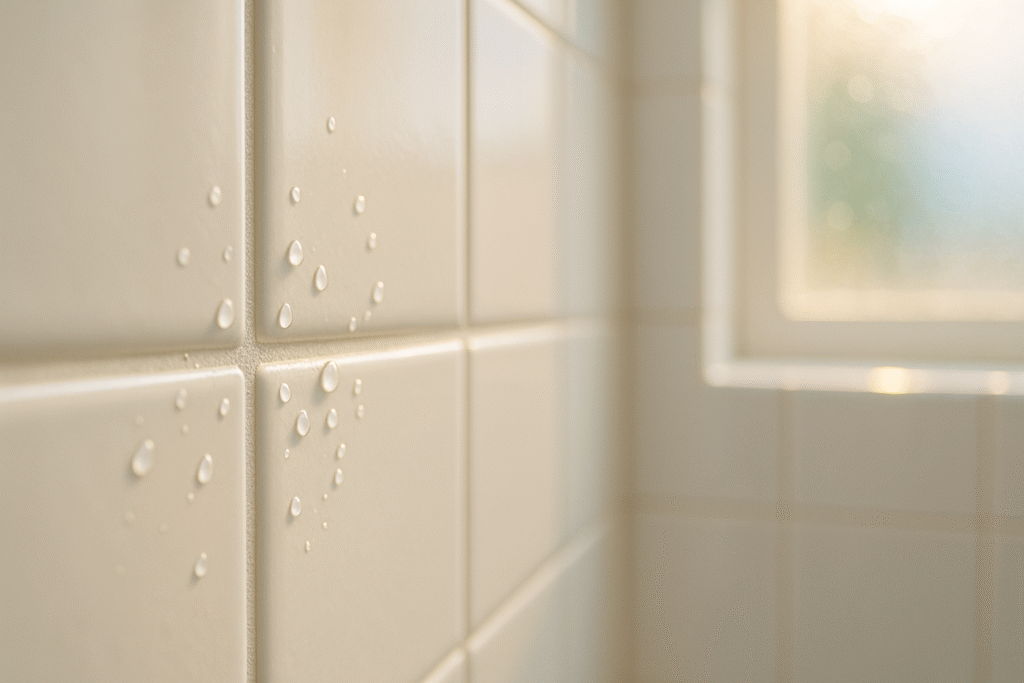
During hurricane season, pay special attention to bathrooms, laundry rooms, and any room with jalousie or older single-pane windows that may allow humid air infiltration. Check under sinks regularly for slow drips that go unnoticed until they become a mold colony. In St. Petersburg and coastal Clearwater, salt air adds a corrosive element that accelerates the deterioration of grout, caulk, and window seals — all of which become water-entry points in a storm.
A twice-yearly professional deep clean — once before hurricane season begins and once after it ends — is one of the most effective investments a Tampa homeowner can make. It resets your home’s hygiene baseline, catches hidden moisture problems early, and ensures that if a storm does make landfall, you’re not also fighting pre-existing mold and grime on top of storm damage.
Frequently Asked Questions
When exactly is the hurricane peak Tampa September date and why does it matter?
NOAA identifies September 10th as the statistical peak of the Atlantic hurricane season — the date when storm activity is most likely across the basin, including the Gulf of Mexico. For Tampa homeowners, this date matters because the Gulf’s warm waters are at their seasonal maximum, making rapid storm intensification more probable and leaving less preparation time once a storm is identified.
How quickly can mold grow in a Tampa home after hurricane flooding?
In Tampa’s high-humidity climate, mold can begin colonizing damp surfaces within 24 to 48 hours of water intrusion. Speed of drying — using fans, dehumidifiers, and professional wet extraction — is the single most important factor in preventing a mold outbreak after a storm.
Are lanai screen enclosures safe to stay in during a hurricane?
No. Screen enclosures offer zero structural protection from hurricane-force winds, flying debris, or storm surge. They should be evacuated well before a storm makes landfall, and any loose items inside should be brought indoors or secured so they don’t become projectiles.
How often should Tampa Bay homeowners schedule professional home cleaning?
For most Tampa Bay households, a bi-weekly or monthly regular cleaning maintains daily hygiene, while a thorough deep clean at least twice a year — ideally before and after hurricane season — addresses the accumulated effects of Florida humidity, pollen, and storm debris. Homes with pets, allergies, or young children may benefit from more frequent professional visits.
Don’t let the busiest part of hurricane season catch your home unprepared. Whether you need a pre-storm deep clean or want to get back to a fresh start after a weather event, the team at FG7 Cleaning is ready to help Tampa Bay homeowners stay clean, safe, and organized all season long. Contact us today to schedule your cleaning appointment.