
Small Apartment Deep Cleaning: Tampa Studio and 1-Bed Tips for apartment cleaning Tampa
Tampa Bay is booming, and with that growth comes a wave of sleek new studios and one-bedroom condos filling downtown Tampa, the Edge District in St. Petersburg, and mixed-use developments stretching from Channelside to Riverview. If you’ve recently moved into one of these compact spaces—or you’ve been living in one for years—you already know that apartment cleaning Tampa style means working smarter, not just harder. Smaller square footage can actually accumulate grime faster because every surface is in closer proximity to your daily living.
The good news is that a well-planned deep clean can transform even the tiniest studio into a bright, breathable retreat. Florida’s notorious humidity, seasonal pollen surges, and the fine sandy dust that drifts in from open windows and sliding doors create unique cleaning challenges you simply won’t face in a dry climate. In this guide, we’ll walk you through practical, room-by-room strategies tailored specifically for small Tampa apartments—so you can keep your space feeling fresh no matter what the Florida weather throws at it.
1. Tackle Humidity and Mold Before They Take Over
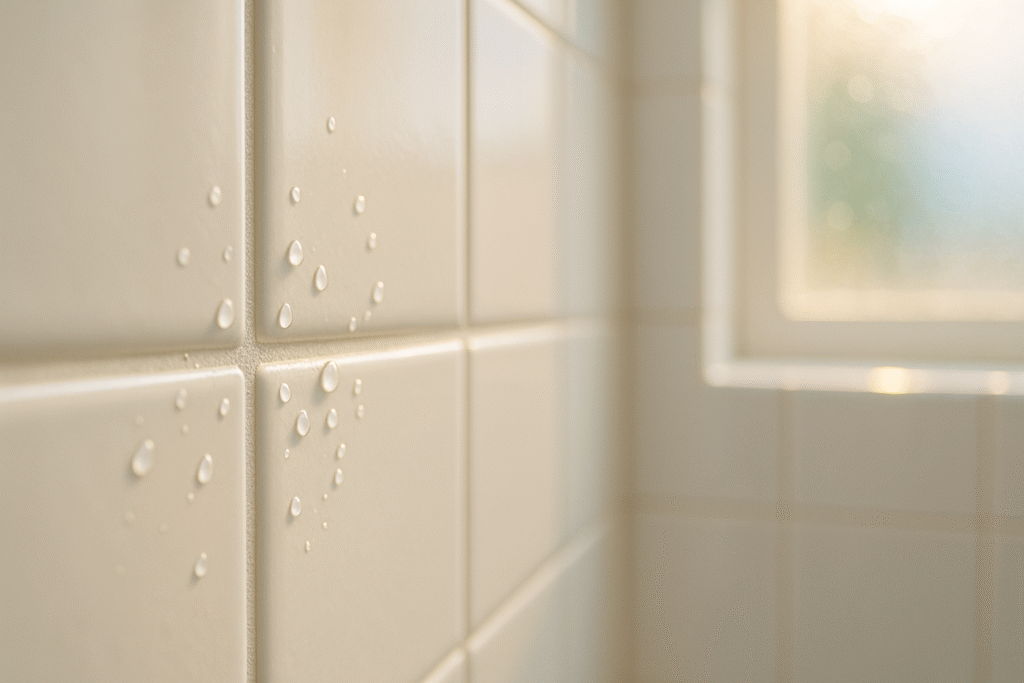
Tampa’s subtropical climate means relative humidity regularly sits above 70 percent, even indoors with air conditioning running. That moisture is your number-one enemy in a small apartment because mold and mildew have nowhere to hide—they show up on grout lines, window tracks, and the silicone seals around sinks almost immediately after forming.
High-Humidity Hot Spots to Check
- Bathroom grout and caulk lines — inspect weekly for pink or black discoloration.
- Window tracks and sill channels — standing water collects here after Florida afternoon rains.
- Under-sink cabinets — check for slow drips that fuel mold growth.
- A/C drip pans and drain lines — a clogged condensate line can back up and cause water damage fast.
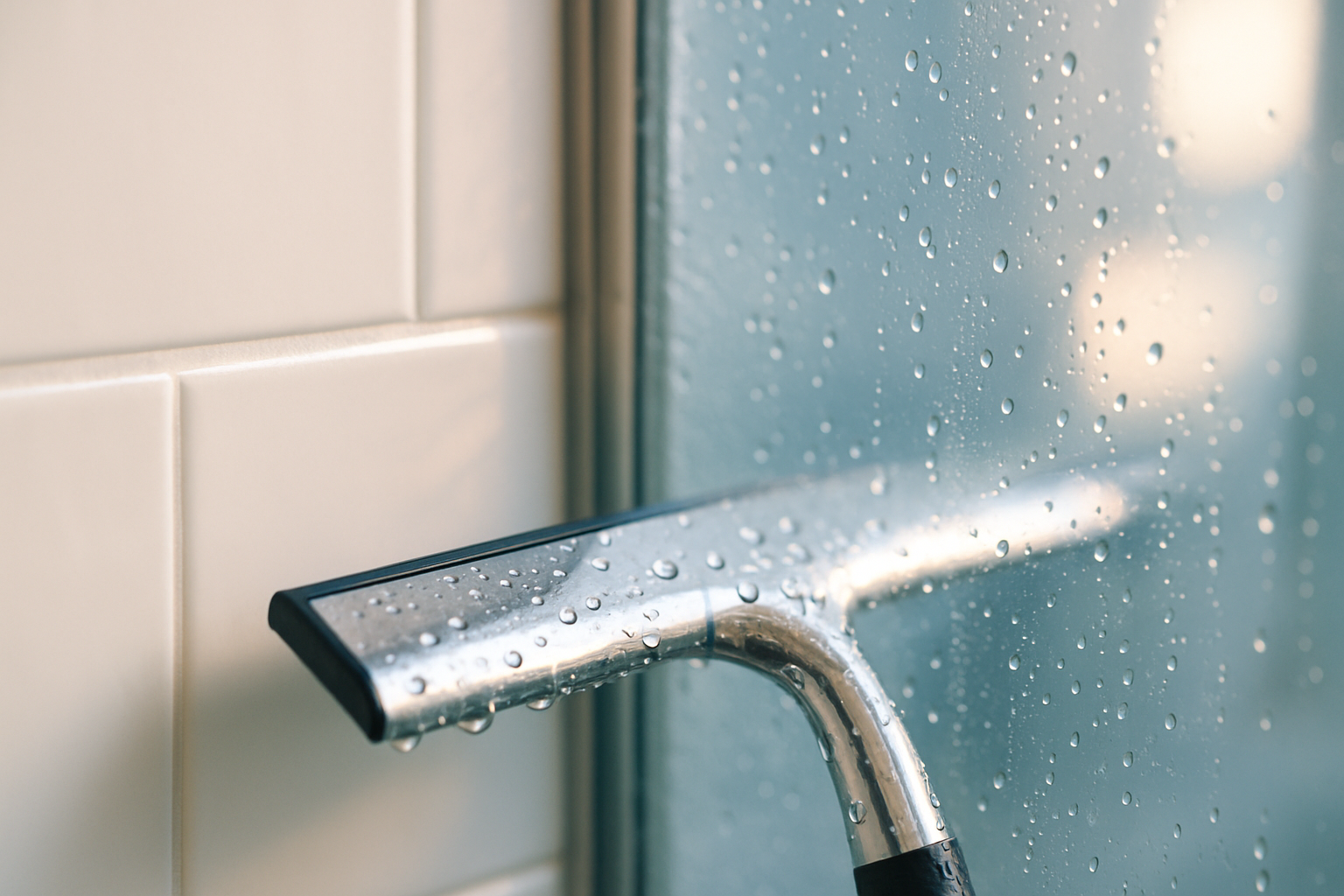
For routine prevention, wipe down shower walls with a squeegee after every use and keep a small fan running for at least 15 minutes post-shower. For existing mildew, a solution of one part white vinegar to one part water applied with a spray bottle and left for ten minutes before scrubbing works remarkably well on non-porous surfaces. In more persistent cases, an oxygen-bleach paste on grout lines will lift staining without the harsh fumes of chlorine bleach—important in a small, tightly enclosed space. Consider running your exhaust fan even when cooking, since steam from boiling water also contributes to indoor humidity in open-plan studios.
2. Maximize Every Inch: Apartment Cleaning Tampa Declutter Strategy
In a studio or one-bedroom, clutter doesn’t just look messy—it physically blocks your ability to clean surfaces properly. Before you ever pick up a mop or a microfiber cloth, invest 30 minutes in a structured declutter pass. Work in zones: sleeping area, kitchen, living area, and bathroom. Pull everything off countertops, shelves, and the floor so you can clean underneath and behind furniture that rarely gets attention.
Quick Declutter Method for Small Spaces
- Set three boxes: Keep, Donate, Trash.
- Move systematically from left to right around the perimeter of each room.
- Don’t revisit decisions—keep the process moving.
- Return items to storage only after the surface beneath them has been cleaned.
Once surfaces are clear, use a vacuum with a HEPA filter to capture the fine particulate dust that accumulates in Tampa apartments due to pollen and outdoor air quality. Pay extra attention to baseboards, the tops of kitchen cabinets, and ceiling fan blades—all notorious dust traps in open-plan living spaces. If you find this level of detail overwhelming, our team at FG7 Cleaning offers professional deep cleaning in Tampa specifically designed for apartments and condos, covering every surface from top to bottom so you don’t have to.
3. Kitchen Deep Cleaning in a Compact Galley or Open-Plan Layout
Galley kitchens and open-plan studio kitchens are efficient by design, but cooking odors, grease splatter, and food residue spread quickly into your living and sleeping areas when there are no walls to contain them. A true deep clean of a small kitchen goes well beyond wiping down counters.
Step-by-Step Kitchen Deep Clean
- Refrigerator coils — dust them with a coil brush every 3–4 months; Florida heat makes your fridge work harder.
- Range hood filter — soak in hot water and dish soap for 20 minutes, then scrub clean.
- Inside the oven — use the self-clean cycle or a baking soda paste left overnight.
- Cabinet interiors — remove everything and wipe shelves with an all-purpose cleaner before relining with fresh shelf paper.
- Dishwasher interior — run a cycle with a cup of white vinegar on the top rack to remove mineral buildup from Tampa Bay’s hard water.
Hard water mineral deposits are a common nuisance throughout the Tampa Bay area. On faucets and sink basins, a paste of cream of tartar and hydrogen peroxide cuts through calcium buildup without scratching stainless steel or porcelain. Keep a small spray bottle of diluted dish soap and water under the sink for quick daily wipe-downs of the stovetop after each meal—this prevents grease from polymerizing into a sticky, hard-to-remove film.
4. Bathroom Deep Cleaning for Studio-Size Spaces
Small apartment bathrooms in Tampa condos often lack windows, relying entirely on exhaust fans for ventilation. That sealed environment combined with Florida humidity creates perfect conditions for soap scum, mildew, and hard-water rings to develop faster than you’d expect.
Bathroom Deep Clean Checklist
- Remove and wash the shower curtain liner in the washing machine with a cup of white vinegar.
- Descale the showerhead by soaking it in a plastic bag filled with vinegar for one hour.
- Scrub the toilet tank interior—bacteria and mineral deposits accumulate inside unseen.
- Wipe down the exhaust fan grille with a damp cloth and vacuum out accumulated dust from inside the housing.
- Re-caulk any cracked or discolored silicone around the tub or shower pan.
For regular upkeep between deep cleans, keeping your small bathroom fresh is much easier if you establish a weekly 15-minute routine. Pair that with a scheduled professional visit—our regular cleaning service in Tampa is a popular choice for condo and apartment dwellers who want consistently clean bathrooms without the weekly grind. A bathroom that gets professional attention monthly will rarely need the intensive deep clean described above more than twice a year.
5. Floors, Windows, and Final Touches for Tampa Apartments
Florida pollen season peaks in spring but honestly never fully stops. If you live near one of Tampa’s many parks, along Bayshore Boulevard, or close to any green corridor in St. Petersburg, you already know that fine yellow-green pollen coats every horizontal surface within days of cleaning. Hard floors—whether luxury vinyl plank, tile, or wood laminate common in new Tampa condos—need a two-step approach: dry removal first, then damp mopping.
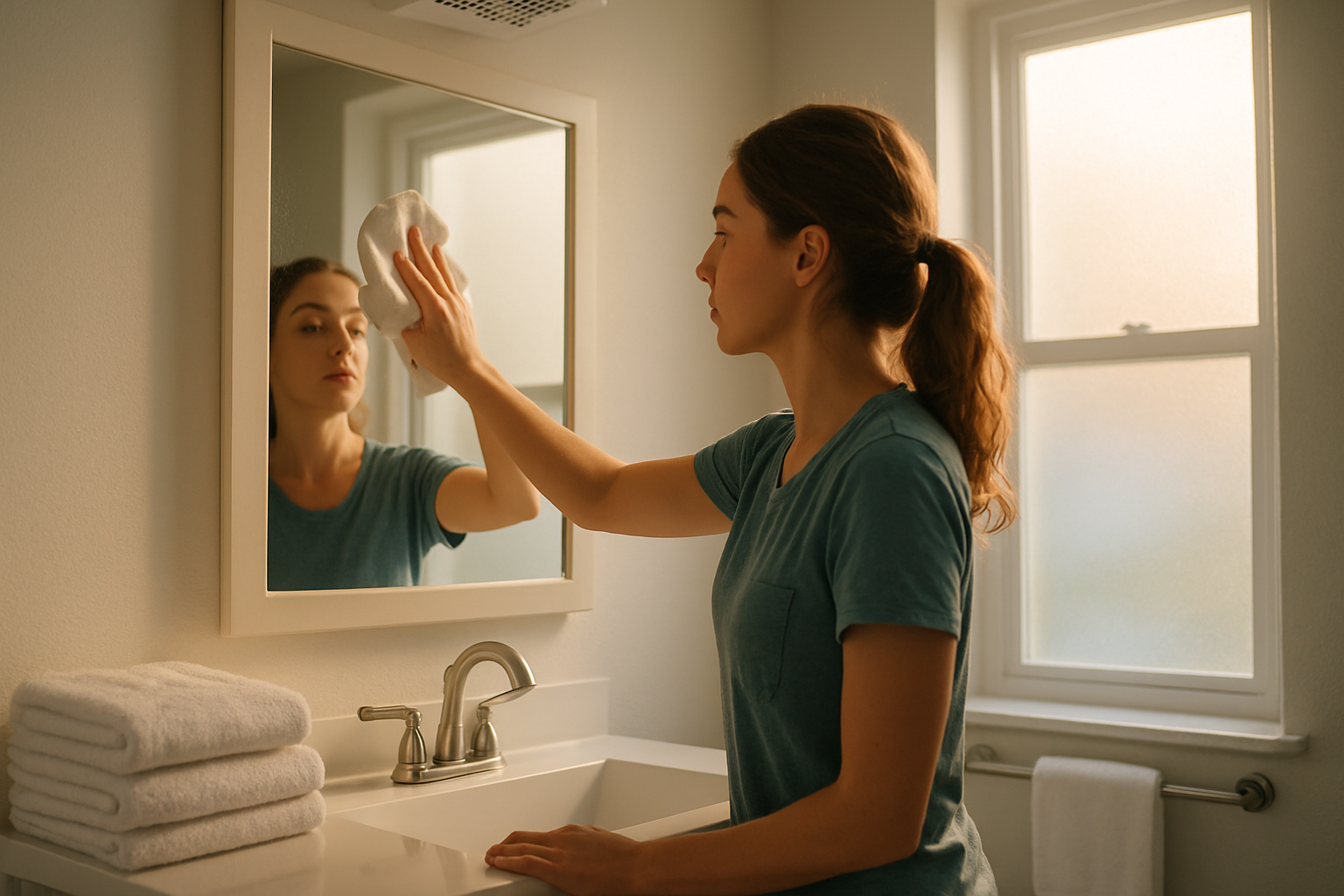
Always vacuum or dry-mop before any wet cleaning step. Mopping over loose debris just smears it and can scratch floors. Use a pH-neutral floor cleaner diluted in a bucket—avoid vinegar on natural stone tile, which is common in higher-end Tampa Bay condos. For windows, a microfiber cloth dampened with a 50/50 mix of distilled water and rubbing alcohol delivers a streak-free finish even on glass that faces the afternoon sun. Don’t forget sliding door tracks: they collect an astonishing amount of debris in Florida and are often the source of that mysterious gritty crunch underfoot. Finish with a fresh scent by diffusing a few drops of eucalyptus or citrus essential oil—skip synthetic air fresheners, which can aggravate allergies in tightly sealed spaces. With these final touches complete, your Tampa apartment will feel genuinely refreshed from ceiling to floor.
Frequently Asked Questions
How often should I schedule apartment cleaning Tampa residents typically need?
Most Tampa apartment dwellers benefit from a professional deep clean every 3–4 months due to humidity and pollen accumulation, supplemented by a regular cleaning visit every 2–4 weeks. Factors like pets, allergies, and proximity to construction can push that cadence higher. A good baseline is one deep clean per season to address Florida-specific buildup.
What is the best way to prevent mold in a small Tampa condo?
Keep indoor humidity below 55 percent using your air conditioner and a standalone dehumidifier if needed—especially during Tampa’s rainy season from June through September. Run exhaust fans during and after showers, and inspect caulk and grout lines monthly for early signs of mildew. Catching it early means a quick vinegar spray rather than a full recaulk job.
Can I deep clean a Tampa studio apartment in one day?
Yes—a methodical approach starting from the highest surfaces and working down, and from the back of the apartment to the front, typically allows a thorough deep clean of a 400–600 sq ft studio in 4–6 hours. Breaking the space into zones (kitchen, bathroom, sleeping, living) prevents backtracking and keeps the process efficient. Hiring a professional team cuts that time to under two hours.
What Tampa-specific cleaning challenges should I watch for in a newer condo?
Newer Tampa and St. Petersburg condos often have floor-to-ceiling windows that attract both salt residue near the bay and hard-water spots from sprinkler systems. Sliding glass doors to balconies collect wind-blown debris and require track cleaning every month or two. Additionally, HVAC filters in new builds should be checked monthly—Florida’s outdoor air quality during wildfire or high-pollen events can clog filters faster than the manufacturer’s schedule suggests.
Ready to give your Tampa studio or one-bedroom apartment the deep clean it deserves without spending your whole weekend scrubbing? FG7 Cleaning’s local team knows exactly what Tampa Bay apartments need. Contact us today to schedule your apartment cleaning in Tampa and experience the difference a professional touch makes.