Kitchen Deep Cleaning Tampa: Chef-Approved Techniques That Work
If you have ever walked into a Tampa Bay restaurant kitchen and marveled at how spotless the surfaces look despite a nonstop cooking schedule, you are witnessing professional discipline in action. Kitchen deep cleaning Tampa homeowners need goes far beyond wiping counters and mopping floors — it demands the same systematic approach that executive chefs and health inspectors expect in commercial kitchens. Tampa’s relentless humidity and heat accelerate grease buildup, mold growth, and bacterial spread faster than in most other cities in the country. Understanding how the pros handle it can transform your home kitchen from barely manageable to genuinely clean.
The good news is that restaurant-grade techniques are completely adaptable for residential kitchens, and you do not need industrial equipment to see professional-level results. Florida’s climate throws specific curveballs — summer humidity that makes surfaces feel perpetually sticky, pollen that drifts in through open windows, and post-hurricane dust that coats every nook — so the strategies covered here are tailored to what Tampa homeowners actually face. Whether you tackle this yourself or bring in a trusted cleaning service, knowing the right sequence and the right products makes all the difference. Let’s break it down section by section.
The Chef’s Secret: Clean in the Correct Order for Kitchen Deep Cleaning Tampa
Every professional kitchen crew follows a top-to-bottom, back-to-front rule, and it is the single most important principle you can borrow for your home. Starting at ceiling level — light fixtures, top cabinet surfaces, and hood vents — lets gravity carry loosened grease and dust downward onto surfaces you have not yet cleaned. Working your way toward the floor last means you never re-contaminate areas you just finished. In a Tampa home, this sequence is especially critical because high ambient humidity causes grease particles to bond to surfaces more stubbornly than in drier climates. Begin with a dry microfiber wipe to remove loose debris, then apply your degreaser and let it dwell for the manufacturer’s recommended time — usually five to ten minutes. Skipping the dwell time is the number-one mistake home cleaners make. Restaurant crews set timers because it genuinely matters. Once dwell time is complete, wipe from top to bottom using clean cloths folded into quarters so you always flip to a fresh side. This single habit prevents cross-contamination and cuts your total cleaning time significantly. For comprehensive service options, explore FG7 Cleaning’s deep cleaning Tampa packages if you want professionals to handle the sequencing for you.
Degreasing the Range Hood and Vent Filters Like a Pro
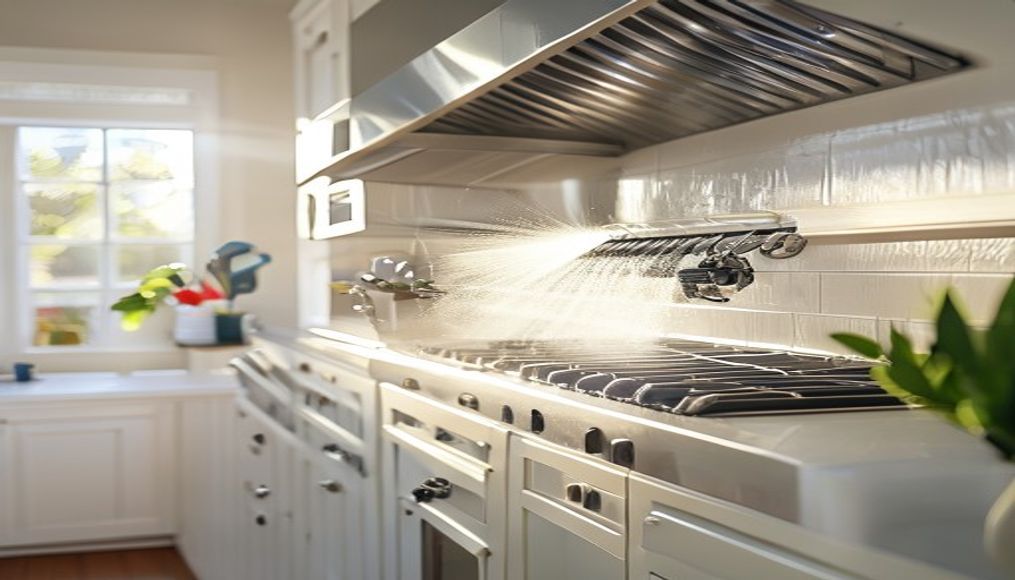
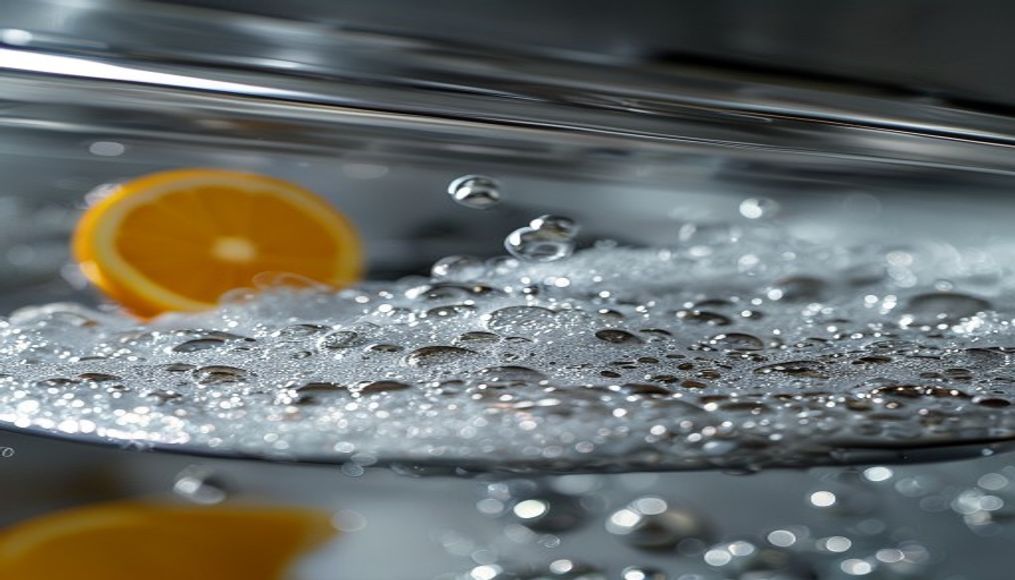
Tampa’s year-round cooking season — because who actually uses the oven less in summer down here? — means range hood filters accumulate grease at a remarkable pace. In a commercial kitchen, filters are soaked in a commercial degreaser bath nightly or weekly depending on volume. At home, you can replicate this by filling your largest pot or a clean utility bin with very hot water and a generous pour of dish soap plus a quarter cup of baking soda. Submerge the filters completely and let them soak for at least twenty minutes. While they soak, spray the interior and exterior of the hood canopy with a citrus-based degreaser — citrus cuts through animal fats particularly well, which matters in Florida where frying and grilling are near-daily events. Use a stiff-bristle brush on the baffle surfaces and a soft toothbrush around any rivets or seams. Rinse the filters under hot running water, shake off excess, and allow them to air dry fully before reinstalling. A clean range hood dramatically improves air quality in your kitchen and reduces the risk of grease fires, which Tampa fire safety experts consistently list among the top home hazards.
Refrigerator and Freezer Sanitization: The Florida Approach
St. Petersburg and Tampa homeowners open their refrigerators dozens of times a day during hot months, which means warm air rushes in constantly, raising interior humidity and accelerating mold growth on gaskets and shelves. Chefs pull their entire fridge inventory weekly, wipe every shelf with a food-safe sanitizer, and pay special attention to door gaskets — the rubber seals that trap crumbs and moisture. At home, aim for a full pull-and-clean every four to six weeks. Remove all shelves and drawers and wash them in warm soapy water in the sink. For the interior walls, mix one tablespoon of baking soda per quart of warm water — this deodorizes without leaving a chemical taste that transfers to food. Use a cotton swab or thin brush to work into the gasket folds where mold loves to hide in Florida’s climate. Wipe the condenser coils at the back or bottom of the unit with a vacuum brush attachment; clogged coils force the compressor to work harder, raising your electric bill noticeably. Do not overlook the drip pan, which in humid Tampa conditions can become a standing water breeding ground for bacteria. Sanitize it with a diluted white vinegar solution and rinse thoroughly.
Oven and Stovetop Deep Cleaning Tampa Homeowners Often Overlook
The oven interior and stovetop grates are where most home kitchens quietly accumulate months of baked-on residue, and Tampa’s heat means the oven is not always the appliance of choice in summer — making the buildup from cooler months even more concentrated when you do cook. Restaurant line cooks scrub their flat-tops and grates after every service; at home, a quarterly deep clean can achieve comparable results if done correctly. For gas grates, soak them in a heavy-duty degreaser solution for thirty minutes, then scrub with a chain-mail scrubber or stiff brass brush — both safe for cast iron. For the oven interior, apply a baking soda and hydrogen peroxide paste, coat all surfaces, and leave it overnight. The next morning, wipe away the paste and the loosened carbon with a damp cloth, using a plastic scraper for stubborn spots without scratching the enamel. Burner caps and drip pans deserve the same soaking treatment as range hood filters. For consistent upkeep between deep cleans, FG7 Cleaning’s regular cleaning Tampa service can keep buildup from reaching the point where hours of scrubbing become necessary.
Grout, Backsplash, and Hidden Surfaces: Finishing Like a Health Inspector
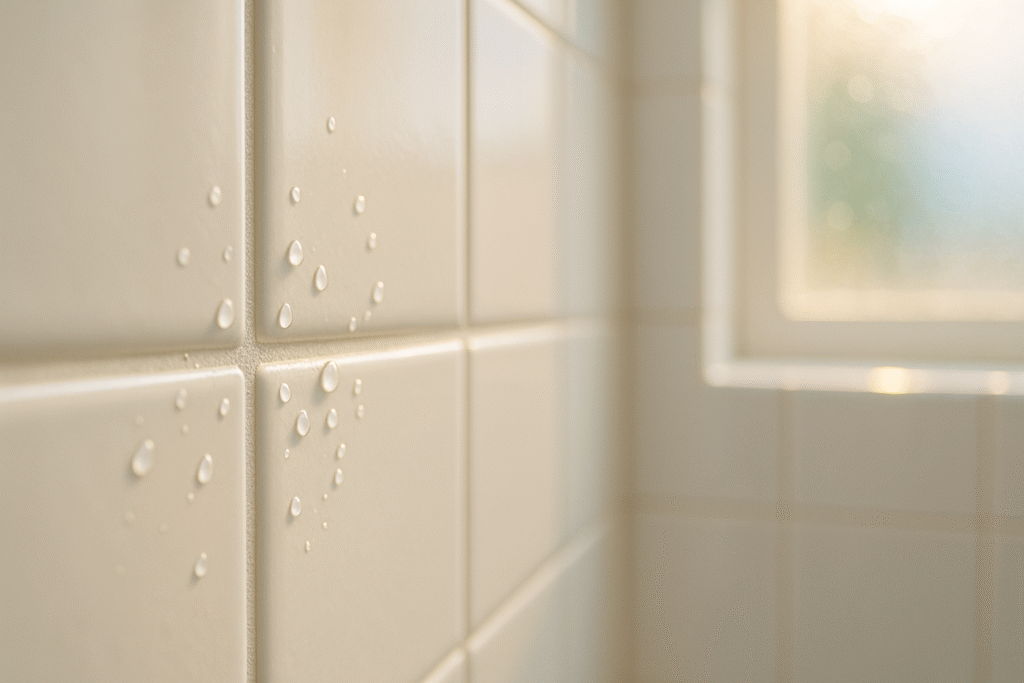
A health inspector’s clipboard covers surfaces that most homeowners never think to clean, and in Tampa’s humid kitchens these overlooked zones become genuine hygiene concerns. Tile grout behind the stove and around the sink absorbs cooking splatter and moisture, turning gray or brown and harboring bacteria that no surface spray can reach without some scrubbing action. Mix oxygen bleach powder into a paste with warm water, apply it to grout lines with an old toothbrush, let it sit for ten minutes, then scrub and rinse. For silicone caulk lines that have gone black with mold — a near-universal problem in Florida kitchens — apply a bleach gel directly, cover it with plastic wrap to keep it moist, and leave it for several hours before wiping. The underside of upper cabinets collects a fine film of aerosolized grease that becomes tacky in humidity; wipe these with a microfiber dampened with diluted all-purpose degreaser. Cabinet hinges, drawer pulls, and the areas directly behind the faucet handles are touchpoints that transfer bacteria constantly and are rarely cleaned. A quick sanitizing wipe of every touchpoint as you finish ties the entire job together — exactly what a Tampa Bay health inspector would confirm before signing off on a commercial kitchen.
Frequently Asked Questions
How often should I schedule a kitchen deep cleaning Tampa home needs?
Most Tampa homes benefit from a thorough kitchen deep cleaning two to four times per year, with quarterly being the sweet spot for families who cook regularly. Florida’s humidity accelerates grease and mold buildup compared to drier climates, so waiting longer than six months typically means facing much heavier work. Pairing deep cleans with a consistent regular cleaning schedule keeps the kitchen manageable year-round.
What degreaser products work best on Tampa’s humidity-amplified grease buildup?
Citrus-based degreasers and enzyme cleaners perform particularly well in high-humidity environments because they break down organic compounds rather than simply pushing grease around. Avoid ammonia-based products near stainless steel appliances, as they can leave streaks and micro-pitting over time. Always allow sufficient dwell time — the product needs contact time with the grease to work, especially on surfaces that have been exposed to Tampa’s sticky air.
Can I use restaurant cleaning chemicals in my home kitchen?
Many food-service sanitizers and degreasers are available in consumer-friendly concentrations and are perfectly safe for home use when diluted according to label instructions. The key difference in a home setting is ventilation — commercial kitchens have powerful exhaust systems, so open your windows and run the range hood fan when using any strong chemical. Always rinse food-contact surfaces thoroughly after using any commercial-grade product.
Is it worth hiring a professional cleaning service for kitchen deep cleaning in Tampa?
For homeowners who want truly thorough results without investing several hours of physical scrubbing, professional services bring the right tools, commercial-grade products, and systematic knowledge to do the job efficiently. Tampa’s climate makes kitchens especially prone to mold, grease stratification, and persistent odors that are genuinely difficult to eliminate without experience. A professional deep clean also serves as an excellent baseline that makes your own maintenance cleaning far more effective going forward.
Ready to give your kitchen the professional treatment it deserves? FG7 Cleaning serves homeowners across Tampa, St. Petersburg, Clearwater, Brandon, and Riverview with expert deep cleaning services designed for Florida’s unique climate. Contact FG7 Cleaning today to schedule your kitchen deep clean and experience the difference chef-approved techniques make in your home.