End-of-Summer Lanai Cleaning Tampa: Patio & Pool Deck Guide
Summer in Tampa Bay is beautiful, but it is also relentless — months of high humidity, afternoon thunderstorms, mold-friendly heat, and pollen from surrounding palms and oaks leave your outdoor spaces looking tired by the time September rolls around. Whether you have a screened lanai, an open patio, or a sprawling pool deck, lanai cleaning in Tampa is an essential step to reclaiming your outdoor living areas before the best entertaining season of the year begins. Fall in Florida is when neighbors actually want to come over, and you want your space to be ready.
The good news is that end-of-summer outdoor cleaning does not have to feel overwhelming. With a systematic approach — working through your lanai screens, furniture, flooring, and pool deck in the right order — you can transform a grimy, pollen-dusted space into a spotless outdoor retreat in a single weekend. This guide walks Tampa, St. Petersburg, and Clearwater homeowners through every step, with Florida-specific tips that account for our unique subtropical climate challenges.
1. Start with the Lanai Screens: Florida’s First Line of Defense
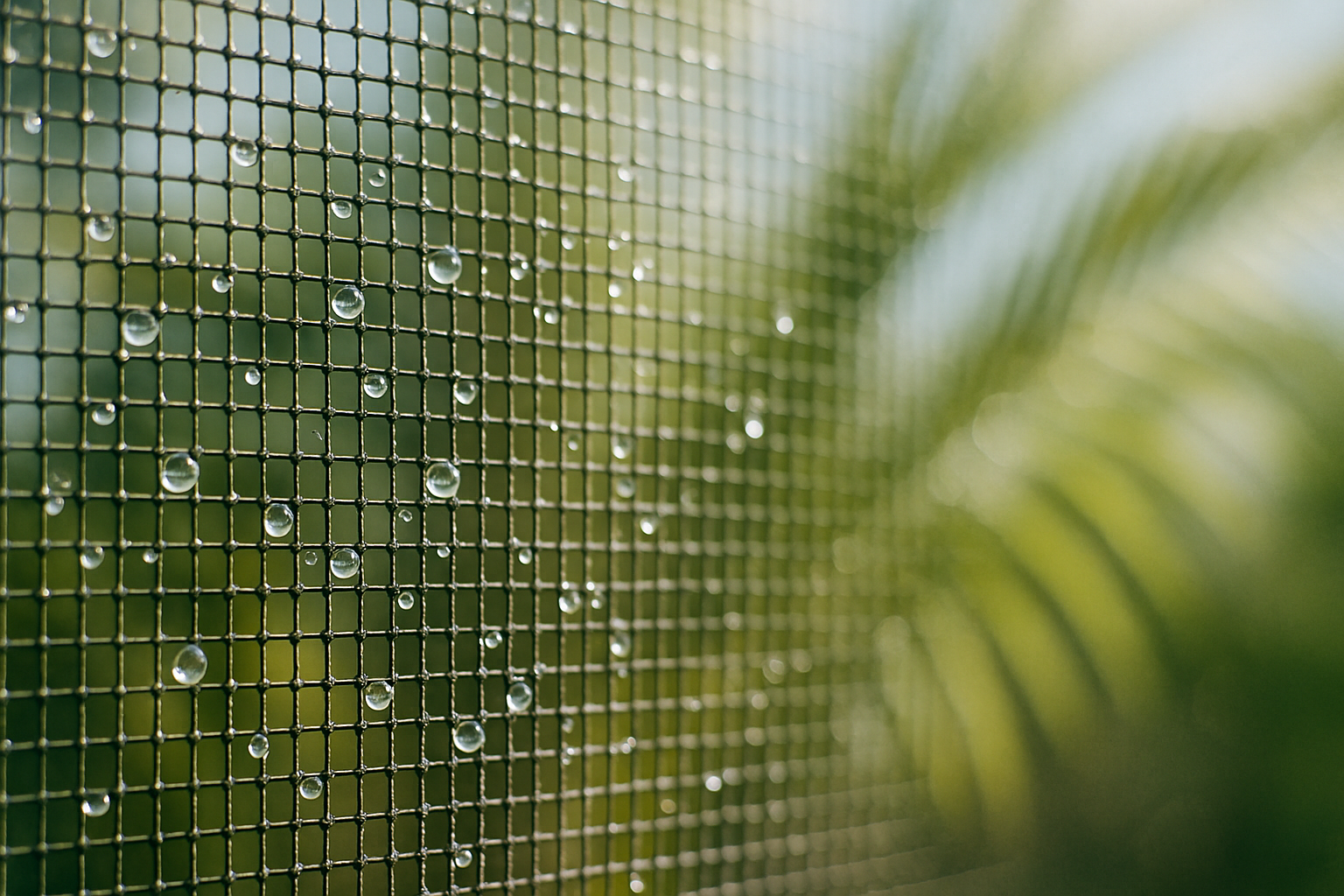
Your lanai screens catch everything — pollen, dust, dead insects, mold spores, and the salt-tinged air that drifts in from Tampa Bay. Over a long Florida summer, those microscopic particles accumulate into a visible gray film that blocks airflow and natural light. Before you touch anything else, start at the top of your screen enclosure and work downward. Use a soft-bristle brush or a microfiber duster to loosen dry debris, then follow with a garden hose set to a gentle shower setting — never a pressure washer, which can stretch or tear screen mesh.
For stubborn mold or mildew — extremely common in Tampa’s humidity — mix one part white vinegar with three parts water in a spray bottle and apply it to the affected panels. Let it dwell for five minutes, then rinse thoroughly. Inspect each panel while the screen is wet; light passes through problem areas and makes tears visible. Replace any damaged sections now, before fall entertaining begins. Pay special attention to corner seams where debris collects and moisture lingers longest. Clean screens dramatically improve ventilation and keep insects out, making your lanai far more comfortable during Tampa’s warm fall evenings.
2. Deep-Clean Outdoor Furniture and Cushions
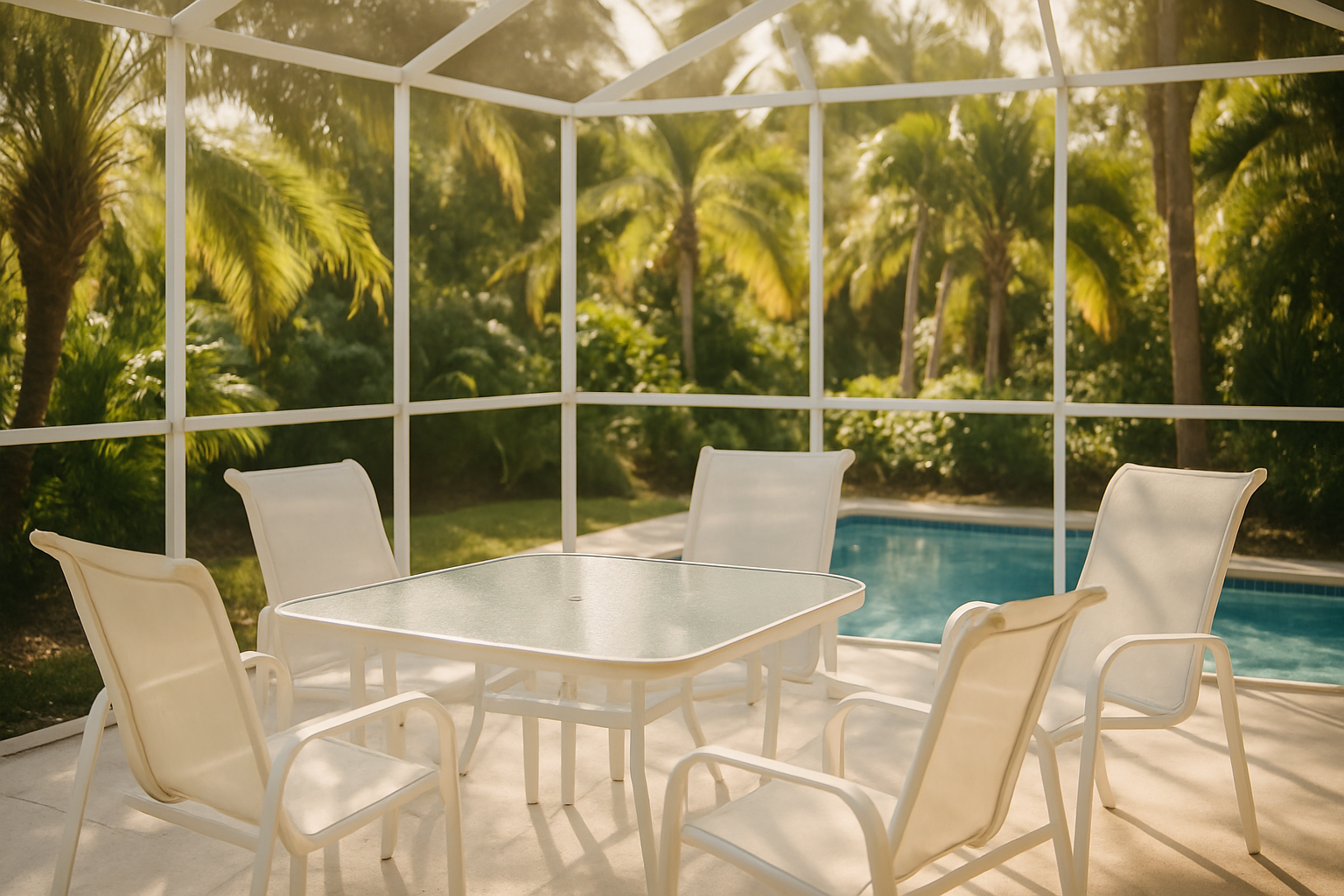
After a Florida summer, outdoor furniture — whether wicker, aluminum, teak, or resin — is typically coated in a combination of sunscreen residue, mold, and organic debris. Begin by moving all furniture to the center of your lanai or patio so you can clean the surrounding flooring independently. For hard frames, a solution of warm water and a few drops of dish soap applied with a soft sponge is effective for most materials. Rinse well and dry immediately in the sun to prevent mildew from setting in before you use the furniture again.
Cushions require extra attention. Remove all cushion covers that have zippered covers and machine-wash them on a gentle cycle with a mild detergent. Non-removable cushions can be scrubbed with a soft brush and an upholstery-safe cleaner, then rinsed with a hose and stood on their sides to dry completely — this is critical in Tampa’s humidity, where a damp cushion can develop mildew overnight. For teak furniture, a specialized teak cleaner followed by teak oil will restore the wood’s warm color. If this level of care feels like too much for one weekend, consider scheduling a professional deep cleaning in Tampa to handle the heavy lifting.
3. Scrub the Lanai Floor and Patio Surface
Lanai and patio floors take a serious beating in Tampa’s climate. Concrete, pavers, tile, and travertine all harbor mold, algae, and ground-in dirt that a standard rinse cannot remove. Start by sweeping away all loose debris with a stiff outdoor broom. Next, apply an appropriate cleaner for your surface type: oxygen bleach solution works well for concrete and pavers, while pH-neutral stone cleaner is safer for travertine and natural stone. Let the cleaner dwell for the time recommended on the label before scrubbing with a long-handled deck brush.
Surface-Specific Tips
- Concrete: Use oxygen bleach; avoid chlorine bleach, which can leave white staining.
- Pavers: Re-sand joints with polymeric sand after cleaning to prevent weed growth.
- Travertine/Natural Stone: Always use pH-neutral cleaners; acidic products etch the surface permanently.
- Tile: Scrub grout lines with a narrow brush and a baking soda paste for best results.
After scrubbing, rinse thoroughly and allow the surface to dry completely before moving furniture back. A low-pressure rinse (under 1500 PSI) is safe for most surfaces. In St. Petersburg and Clearwater, where salt air accelerates surface degradation, consider applying a penetrating sealer to pavers and concrete once they are fully dry — it dramatically extends the time between deep cleans.

4. Restore Your Pool Deck for Fall Entertaining
The pool deck is where fall entertaining in Tampa Bay truly shines — cooler evenings, no mosquito swarms, and guests who actually want to linger outside. But a summer of sunscreen, wet feet, algae, and UV exposure leaves most pool decks looking faded and slippery. Begin by removing all deck furniture, toys, and accessories so you have full access to the surface. Sweep away leaves and debris, paying special attention to the expansion joints where organic matter collects and breaks down into stains.
For pool decks, a diluted pool deck cleaner or an oxygen-bleach solution applied with a deck brush is the safest approach. Work in sections, keeping the surface wet and scrubbing in circular motions. Rinse each section before the cleaner dries. After cleaning, inspect the non-slip texture of your deck — many Tampa homeowners apply a non-slip acrylic sealer at the start of fall to restore grip lost to UV degradation. This is especially important for households with children or elderly guests. Scheduling regular cleaning in Tampa for your pool deck throughout the year prevents the heavy buildup that makes end-of-season cleaning so labor-intensive.
5. Finishing Touches: Lights, Fans, and Outdoor Kitchen Surfaces
Once the big surfaces are clean, the finishing details transform your outdoor space from merely tidy to genuinely inviting. Outdoor ceiling fans on lanais accumulate a shocking amount of dust and mold on their blades over a Tampa summer — wipe each blade top and bottom with a damp microfiber cloth, then dry immediately. Clean fan motor housings with a dry cloth only. For outdoor string lights or lantern fixtures, wipe the bulbs and fixtures with a slightly damp cloth and check that all bulbs are working before guests arrive.
Outdoor Kitchen Checklist
- Degrease grill grates and burners with a grill-safe cleaner and brush.
- Wipe down stainless steel cabinet faces with a stainless cleaner applied in the direction of the grain.
- Sanitize countertops with a food-safe multi-surface spray.
- Flush the sink drain and check connections for summer insect nesting.
- Inspect propane connections and replace any weathered hoses or fittings.
Finally, add a few seasonal touches — fresh potted plants, new outdoor throw pillows, and citronella candles or a mosquito-repellent system — to signal to guests that your Tampa outdoor space is fully open for the season. These small investments in finishing details pay enormous dividends in the ambiance of every fall gathering you host.
Frequently Asked Questions
How often should I schedule lanai cleaning in Tampa to keep it looking great year-round?
For most Tampa homeowners, a thorough lanai cleaning at least twice a year — once after summer and once after spring pollen season — keeps screens, floors, and furniture in excellent condition. Homes near the water or surrounded by heavy tree coverage may benefit from quarterly cleanings given the accelerated pace of mold and debris accumulation in Tampa’s humidity.
Can I use a pressure washer on my lanai screens?
No — pressure washing lanai screens is one of the most common mistakes Tampa homeowners make. Even moderate pressure can stretch, warp, or tear the mesh, leading to costly re-screening. Always use a garden hose on a gentle setting combined with a soft brush for safe, effective screen cleaning.
What is the best way to remove mold from my patio pavers in St. Petersburg’s humid climate?
An oxygen-bleach solution is the most effective and surface-safe choice for mold removal on pavers in St. Petersburg and across the Tampa Bay area. Mix per label instructions, apply generously, allow a 10-minute dwell time, scrub with a stiff deck brush, and rinse thoroughly. For persistent mold, a second application the same day typically resolves the issue.
Should I seal my pool deck after end-of-summer cleaning?
Yes — applying a penetrating sealer or non-slip acrylic coating after a thorough end-of-summer cleaning is highly recommended for Tampa pool decks. Sealing protects the surface from UV damage, chlorine splash, and organic staining, and it restores the non-slip texture that makes pool decks safe for barefoot traffic throughout fall entertaining season.
Ready to hand off the hard work to the pros? FG7 Cleaning serves homeowners across Tampa, St. Petersburg, Clearwater, Brandon, and Riverview with expert outdoor and indoor cleaning services. Contact FG7 Cleaning today to schedule your end-of-summer outdoor cleaning and get your lanai, patio, and pool deck ready for a season full of memorable gatherings.